Abundia Global Impact Group is a renewable energy company developing commercial-scale infrastructure that converts waste plastics and biomass into transportation-grade fuels and low-carbon chemical feedstocks. Pulse 2.0 interviewed Abundia Global Impact Group Founder and CEO Ed Gillespie to learn more.
Ed Gillespie’s Background
When asked about his professional background and the experiences that led him to establish Abundia Global Impact Group, Gillespie shared:
I have worked for more than two decades in executive leadership, finance, operations, and capital markets roles. Throughout my career, I’ve focused on corporate structure, business development, banking and funding, change management, and mergers and acquisitions. Prior to founding Abundia Global Impact Group, I served as CEO and Chairman of SafeBus and held leadership roles through Port House Consultants, advising on business development and strategic growth initiatives.
My experience has been concentrated solely on building scalable platforms, aligning capital with opportunity, and executing complex projects. That foundation ultimately led me to launch Abundia Global Impact Group as a commercially driven, technology- and infrastructure-focused renewable energy company.
How Abundia Started
When discussing how the idea for Abundia Global Impact Group came together, Gillespie explained:
Abundia was founded around a clear opportunity. Waste plastics and biomass are underutilized resources at a time when global demand for diesel, jet fuel, and chemical feedstocks continues to grow.
Traditional recycling alone cannot address the scale of global plastic waste. At the same time, industries such as aviation, heavy transport, and petrochemicals are seeking lower-carbon solutions that can integrate into existing infrastructure. We saw a pathway to bridge those needs by developing commercial-scale facilities that transform waste streams into upgraded fuels and chemical feedstocks.
The company accelerated its mission by accessing public markets through a reverse merger with Houston American Energy Corporation, repositioning a traditional oil-and-gas platform as a low-carbon waste-to-value innovator. That strategic transition created the foundation to scale infrastructure with discipline and transparency.
Core Products And Infrastructure
When asked about Abundia Global Impact Group’s core products and capabilities, Gillespie detailed:
Abundia is developing commercial-scale facilities that transform municipal solid waste plastics, post-industrial waste plastics, and certified waste biomass into renewable transportation-grade fuels and low-carbon chemical feedstocks. Our approach is built around an integrated waste-to-value infrastructure model that combines feedstock preparation, conversion, and upgrading capabilities into a single cohesive platform.
The process begins with aggregating and mechanically preparing waste plastics and biomass to ensure consistent quality and remove contaminants. From there, we deploy two complementary, commercially validated waste-to-value pathways called pyrolysis. Plastics pyrolysis uses a thermochemical process to break plastics down into molecular intermediates, while biomass fast pyrolysis converts biomass residues into renewable bioliquid. The resulting pyrolysis oils are then upgraded through hydroprocessing and related refining steps to produce finished, market-ready products.
Our final outputs include renewable and circular transportation-grade diesel, low-carbon chemical feedstocks such as naphtha, low-carbon wax oils for industrial applications, and eventually sustainable aviation fuel as the technology continues to mature.
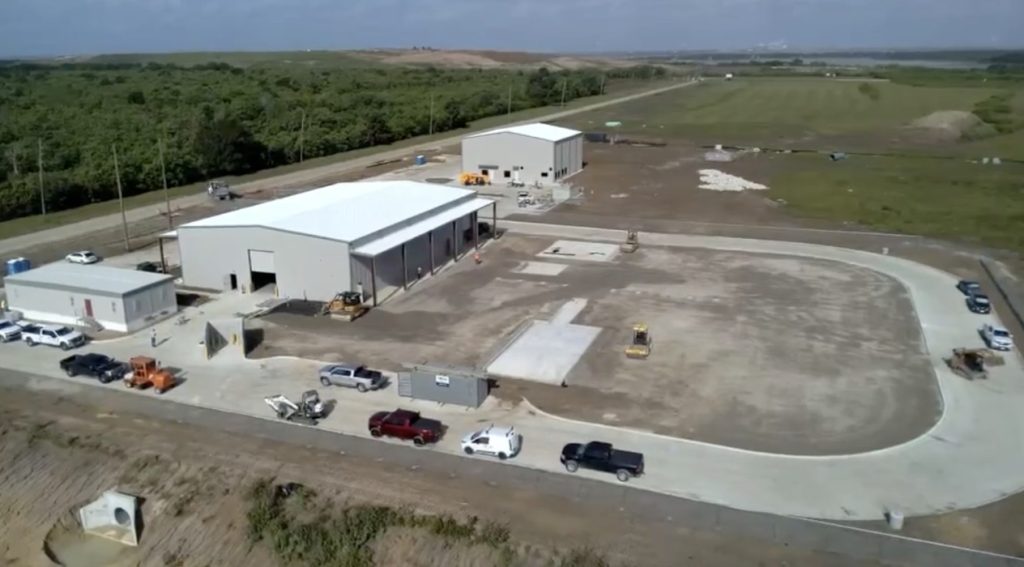
Our flagship Cedar Port site in Baytown, Texas, will integrate waste-to-fuel operations, an Innovation Center, and upgrading infrastructure in one location. Positioned near the Houston Ship Channel, the site provides direct access to barge, rail, and pipeline networks, enabling efficient large-scale distribution to energy and chemical markets.
Renewable Energy Sector Challenges
When asked about the challenges Abundia has faced within the renewable energy sector, Gillespie noted:
The renewable energy sector is still really in its infancy, and although we see this as a great opportunity, it has been tainted by some highly publicized failures. This, of course, has led to skepticism and some challenges.
This is why we only partner with already scaled and operational technologies to complete our technology stack. We only use Tier 1, industry-renowned partners for the development of our projects, and we de-risk at every opportunity.
Technology And Platform Evolution
When discussing how Abundia’s technology has evolved since the company launched, Gillespie described:
From inception, our strategy has centered on commercially demonstrated technologies. Our evolution has focused on integration, aligning feedstock sourcing, conversion pathways, hydroprocessing capabilities, and logistics infrastructure into a cohesive platform.
We have advanced engineering planning for our Cedar Port facility and recently appointed Burns & McDonnell as our front-end engineering partner. That milestone reflects our transition from concept development to detailed execution planning. We have also strengthened our technology stack through a multi-project licensing agreement with Topsoe to deploy its HydroFlex upgrading technology, complementing our existing front-end conversion process and further de-risking our commercialization strategy. Our focus is on building financeable, scalable infrastructure designed for multiphase expansion.

Major Company Milestones
When asked about Abundia’s most significant milestones, Gillespie said:
Several milestones have marked our progression from concept to execution. We accessed the public markets last year, positioning the company as a low-carbon renewable energy platform focused on waste-to-value infrastructure. That transition provided the capital markets foundation necessary to pursue commercial-scale development.
We then acquired a 25-acre site in the Cedar Port Industrial Park in Baytown, Texas, establishing the physical footprint for our flagship project. Since then, we have formalized our integrated waste-to-value infrastructure model, aligning feedstock preparation, conversion technologies, and upgrading capabilities into a scalable platform.
A more recent milestone was appointing Burns & McDonnell as our front-end engineering partner, reflecting our advancement into detailed engineering and execution planning. We also completed the acquisition of RPD Technologies, bringing project development and engineering expertise in-house while adding an immediate revenue-generating services business that strengthens our vertically integrated model.
Another important milestone was securing a 10-year feedstock supply agreement with Frankfort Plastics, providing approximately 50% of the anticipated plastic feedstock requirements for our first Cedar Port facility and further advancing the project toward commercialization.
From a capital markets perspective, our inclusion in the Russell Microcap Index marked another meaningful achievement by increasing our visibility among institutional investors as we continue executing our long-term growth strategy.
We are continuing to progress the development of our first plastic waste-to-renewable fuels and chemicals plant, while advancing toward a targeted final investment decision in 2027.
Abundia’s Differentiators
When asked what differentiates Abundia Global Impact Group from its competition, Gillespie emphasized:
Our differentiation lies in a few areas. First, our products. We see the value in completing the final upgrading step and taking the pyrolysis oil all the way through to drop-in, high-value finished products.
Second, we only partner with fully commercialized and scaled technology partners. To provide a scalable and deployable solution, we partner with what we believe to be best-in-class technology solutions to provide the highest probability of success. That includes partnerships with industry leaders such as Topsoe for upgrading technology and Alterra for front-end conversion, creating an integrated technology stack built around commercially proven solutions.
We also combine aggregated feedstock preparation, complementary pyrolysis pathways, and upgrading capabilities within a single infrastructure model. In addition, our strategic Gulf Coast location near major logistics networks provides direct access to barge, rail, and pipeline systems, enabling efficient distribution into established energy and chemical markets. The Cedar Port site is also designed with capacity for phased expansion, allowing us to scale production over time.
Importantly, we are not positioning ourselves solely as a technology developer. We are building industrial infrastructure intended to serve energy-dependent industries that require reliability, commercial scale, and seamless integration with existing distribution systems. The acquisition of RPD Technologies further differentiates our platform by bringing engineering, scale-up, and project development capabilities in-house, allowing us to execute more of the value chain internally.
Future Goals
When discussing Abundia Global Impact Group’s future goals, Gillespie concluded:
Our near-term goal is to successfully execute and bring our Cedar Port facility into full commercial operation, establishing a scalable Gulf Coast hub for renewable fuels and low-carbon chemical feedstocks. Before that, we remain focused on advancing the project toward final investment decision by securing the remaining commercial, engineering, and financing milestones required for construction.
Beyond initial deployment, we aim to expand production capacity through phased development, increase output of renewable transportation-grade fuels, and deepen our participation in the chemical feedstock markets. We are also positioning the company to participate in the long-term growth of sustainable aviation fuel as technology, policy frameworks, and customer demand continue to mature.
More broadly, our goal is to build a durable, infrastructure-based platform that can be replicated and expanded, transforming underutilized waste streams into commercially valuable energy products at scale. As we continue to execute on that strategy, we’re also strengthening our commercial capabilities, including the recent appointment of Chief Commercial Officer Keith Berger, whose experience will help accelerate the commercialization and scale-up of our waste-to-fuels platform.

