The Economic Development Partnership of North Carolina (EDPNC) is a non-profit organization that drives the state’s economy by recruiting new businesses, supporting existing companies, boosting international trade, and promoting tourism. Pulse 2.0 interviewed the Economic Development Partnership of North Carolina CEO Christopher Chung to learn more.
Christopher Chung’s Background


Could you tell me more about your background? Chung said:
“I’ve spent my entire 25-year career in state-level economic development and helping communities attract and retain jobs. Before joining the Economic Development Partnership of North Carolina in 2015, I held leadership roles with similar organizations in Missouri and Ohio, where I first got my start in this field.”
“At EDPNC, we’re structured as a public-private partnership, which gives us the nimbleness of a private sector company while still serving a public mission. We lead several key functions on behalf of the state: recruiting new companies, supporting existing ones, helping small businesses and exporters grow, and promoting tourism and film across North Carolina.”
“As CEO, my main responsibility is to make sure our organization is delivering on its mission of improving the economic well-being and quality of life for North Carolinians. That means setting strategic direction, building partnerships with local and state leaders, and ensuring our team has the resources and support they need to be successful.”
“I regularly meet with company executives from around the world, helping them understand what makes North Carolina such a competitive and welcoming place to do business. I also spend a lot of time working closely with our partners in the Governor’s Office, the Department of Commerce, and the General Assembly to make sure we’re all aligned in promoting growth that benefits the residents of the entire state.”
Favorite Memory
What has been your favorite memory working for the organization so far? Chung reflected:
“There have been a lot of rewarding moments over the years, including seeing our Business Recruitment team notch a big win after months of hard work or watching colleagues across the organization earn national recognition for their efforts.”
“But if I had to choose one standout memory, it would be our 10th anniversary celebration last year. That event was a milestone, not just for the organization, but for everyone who helped build it from the ground up. We were able to celebrate alongside our partners, board members, investors, and current and former colleagues who all played a role in turning what was once a brand-new, unproven idea into one of the most respected economic development organizations in the country. It was a proud moment of reflection and gratitude.”
Challenges Faced
Have you faced any challenges in your sector of work recently? Chung acknowledged:
“Every year, economic development becomes more complex. The size of projects, the speed of decision-making, and the competition among states have all increased dramatically.”
“One of our biggest ongoing challenges is ensuring that we can keep up with growth. It’s vital that we have the workforce, infrastructure, and industrial sites needed to meet demand. These are good challenges to have. They mean North Carolina continues to be one of the most sought-after destinations for business investment – I will add that North Carolina has been ranked as the No. 1 state to do business in three of the last four years by CNBC.”

Positioning North Carolina For Growth
North Carolina has become a hub for life sciences manufacturing, attracting significant investments from major pharmaceutical companies. How has the EDPNC’s strategy, particularly its collaboration with entities like the North Carolina Biotechnology Center (NCBiotech) and the North Carolina Community College System, successfully positioned the state for this growth? Chung explained:
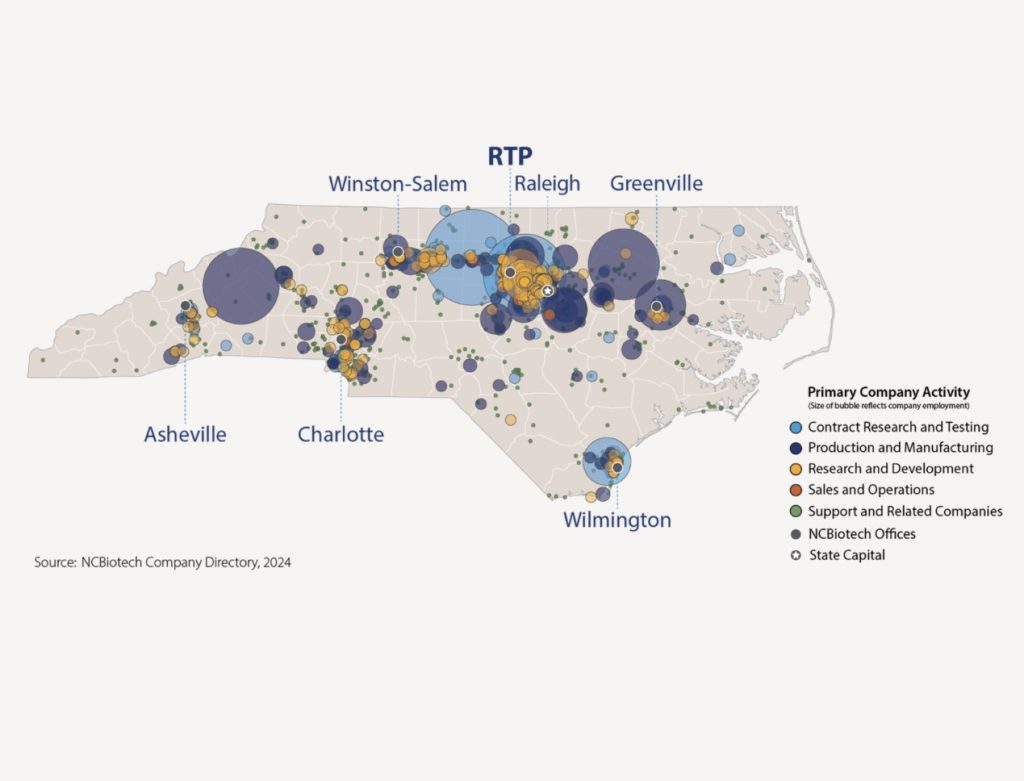
“North Carolina’s success in life sciences is the result of literal decades of intentional collaboration. The North Carolina Biotechnology Center, the community college system, our universities, and our state and local partners have all been aligned around a shared vision.”
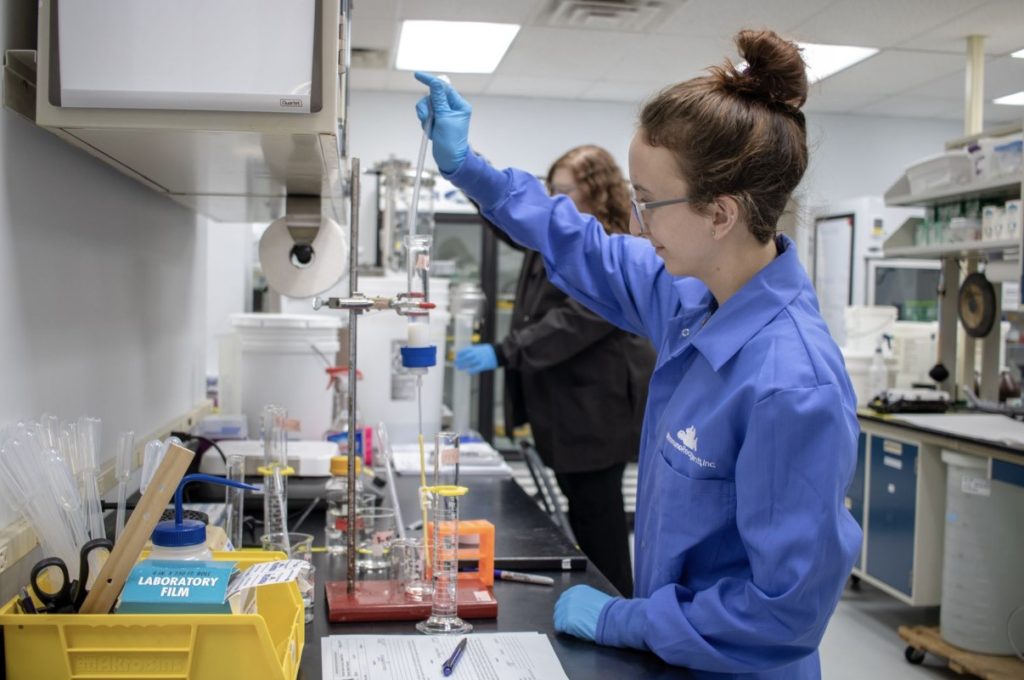
“NCBiotech connects research and industry, while our community colleges have built nationally recognized programs like BioNetWork that prepare students for highly technical roles in biomanufacturing. EDPNC’s role is to bring all these strengths together and tell a cohesive story to prospective employers. Life sciences companies see that North Carolina offers not just great sites or incentives, but an entire ecosystem designed to support their long-term growth.”

How The EDPNC Ensures That Surrounding Communities Are Prepared For New Jobs
With companies like Johnson & Johnson investing billions in new facilities in places like Wilson and Holly Springs, how does the EDPNC ensure that the surrounding communities are prepared for the influx of new jobs and support industries? Chung described:
“When a major employer comes to town, the impact reaches far beyond the facility itself. Those projects affect housing, schools, infrastructure, small businesses, etc. We work closely with local governments, workforce boards, and educational institutions to make sure those communities are ready to grow sustainably.”
“That means anticipating infrastructure needs early, helping develop training programs tailored to the new jobs, and staying engaged long after the announcement. We are confident that through these efforts, growth strengthens communities – not overwhelm them.”
Message To Companies Concerned About The Policy Landscape
Federal policies, including potential tariffs and onshoring incentives, have driven domestic pharmaceutical manufacturing investment. How is the EDPNC navigating potential shifts in these policies, and what is your message to companies concerned about the stability of the policy landscape? Chung clarified:
“Policy changes are inevitable, but North Carolina’s strengths run deeper than any single federal incentive or tariff decision. Companies invest here because of our strong fundamentals – a skilled workforce, a predictable business climate, and a bipartisan commitment to competitiveness.”
“We maintain close contact with our federal and state partners to monitor potential policy shifts, but our message to investors is consistent: North Carolina has built an environment where your business can grow with confidence, regardless of the broader policy climate.”
Supporting Growth Of Smaller Biotech And Life Science Startups
Beyond the major pharmaceutical players, how is the EDPNC working to support the growth of smaller biotech and life science startups within the state, and what role do they play in North Carolina’s long-term economic strategy? Chung noted:
“The smaller biotech firms and startups are really the foundation of our life sciences ecosystem. Many of today’s major players began as small R&D operations right here in North Carolina.”
“We work closely with NCBiotech, which provides early-stage grants and lab space, and with innovation hubs and research parks that nurture young companies. Through our international trade programs, we also help these firms expand into global markets. Supporting startups isn’t just about today’s jobs. It’s about ensuring that innovation and discovery continue to happen here for generations to come.”
Managing North Carolina’s Educational And Talent Pipeline
With the demand for skilled labor being a primary driver for attracting life sciences companies, how is the EDPNC working to manage North Carolina’s educational and talent pipelines to meet the specific, highly specialized needs of the industry? Chung shared:
“Talent is the single biggest factor in almost any company’s decision-making, and this is an area where North Carolina shines.”
“In our state, we have 58 community colleges, 36 private colleges and universities, and a public university network which is the envy of the country. The University of North Carolina System is home to 16 of the best public universities in the nation.”
“North Carolina also boasts the fourth-highest military population in the country and is notably home to Fort Bragg, the largest military base in the world. Every year, thousands of service members exit the military, and the vast majority of these individuals are looking for a job. These are individuals who have dedicated years of their lives to serving our country and are already equipped with the hard work and organization skills companies are clamoring for.”
“Between our world-class network of higher education institutions and our well-established military community, North Carolina is essentially one giant talent factory. We’ve spent years developing training programs that help students get trained up in the skills they need for their first job out of college or the military veteran learn the skills they’ll need for their new career.”
“The BioNetwork program within the community college system is a great example of that flexibility. This program equips students with the core skills needed in biomanufacturing, and companies can build on that foundation to create specialized training modules.”
Additional Thoughts
Any other topics you would like to discuss? Chung concluded:
“I’d just emphasize that North Carolina’s success comes down to collaboration. No one organization can do this alone. Becoming CNBC’s No. 1 state for business three out of the last four years takes buy-in from state and local partners, educators, businesses, educators, and community leaders all working together.”
“Our job at EDPNC is to help connect those dots and keep our tremendous momentum going. If we continue to be intentional about our growth and continue to invest in education, infrastructure, and quality of life, there’s no stopping North Carolina.”

