“Cancer ran in my family until it ran into me,” expressed Jessica Baladad. After a self-exam led to a diagnosis of breast cancer at the age of 33, Jessica Baladad used her fervor for patient advocacy and survivorship to design and develop Feel For Your Life: an AI-powered app that helps educate, inform, and empower women’s breast health. Pulse 2.0 interviewed Baladad to learn more.
Jessica Baladad’s Background
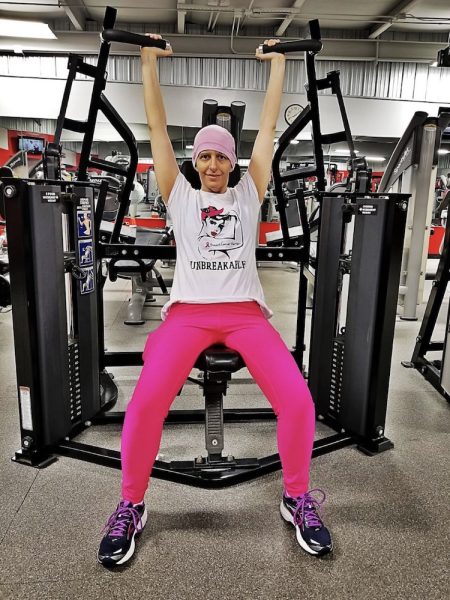

Could you tell me more about your background? Baladad said:
“I’m a Tennessee native and marketing and public relations professional at heart. I come from a family where 14 women on my father’s side have been diagnosed with breast cancer, so I was always diligent about self-exams since I was a teenager – even having a benign tumor removed when I was 18. In my early 30s, I discovered a lump during a self-exam after being told by doctors that I was too young and the lump was due to hormones or caffeine.”
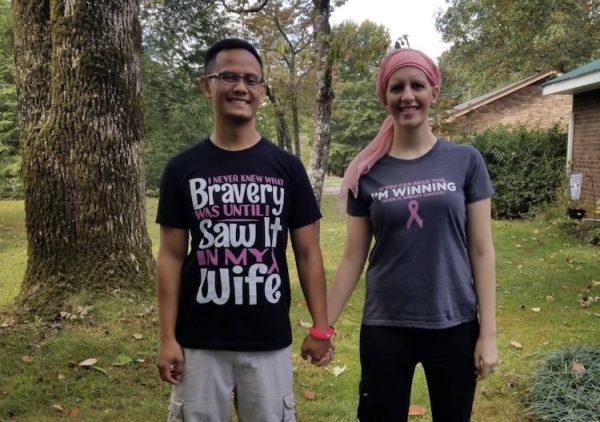

“Eventually, I pushed hard for a mammogram and an ultrasound that ultimately diagnosed me with breast cancer. I realized if this happened to me, this must be happening to other people – but most women I talked to had not been doing health exams because a) no one had taught them how, b) they were uninsured or underinsured and didn’t know their options, or c) felt affected by rhetoric around women’s breasts and bodies.”
Founding Feel For Your Life
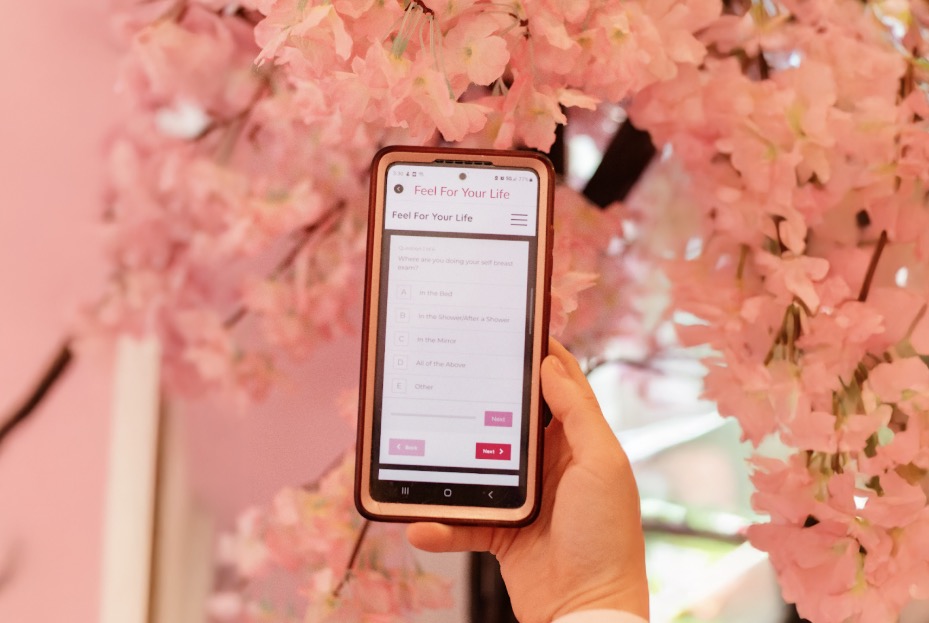

How did the idea of Feel For Your Life and developing the app come to fruition? Baladad highlighted:
“The name came to me in the shower, while my hair was literally falling out in the midst of my chemotherapy treatment rounds. The shower had always been where I did my self-exams, where I felt my body. It all came together in that moment: how a self-exam had saved my life, and I needed to get the word out. I found all the website URLs and social media handles were available, but at the time, I didn’t know what Feel For Your Life would become.”
“I started exploring what was missing in existing tools and decided I would try to build an app. I have always loved technology and coding as a hobby, so I combined my background in marketing, design, and storytelling. I worked with mentors to learn how to design and build an app from scratch. I was hands-on through the whole process, and the app launched in 2021 and went viral, with Good Morning America and other outlets picking it up. That’s when I realized I was filling gaps that had long been overlooked for women.”

Evolution of the App
Can you share any success stories or how women have used Feel For Your Life? Baladad shared:
“I’ve had people reach out saying that because of me, they started doing self-exams and found a lump. Others mention they’ve begun regular screenings and feel more comfortable discussing their health. They’re developing what I call “breast advocacy plans.” I always tell them I’m not a doctor, but I can help them find resources.”
“One story that stands out is a woman in California with triple-negative breast cancer who had a mastectomy but was never taught how to do a self-exam. She found my app, used it, and detected a recurrence. I won’t say I saved her life, but it gave her more time. She was eventually diagnosed with stage 4 and passed away two years ago. But I’m grateful she found the app to help her take action. Stories like these are what keep me going.”
Patient Advocacy Work
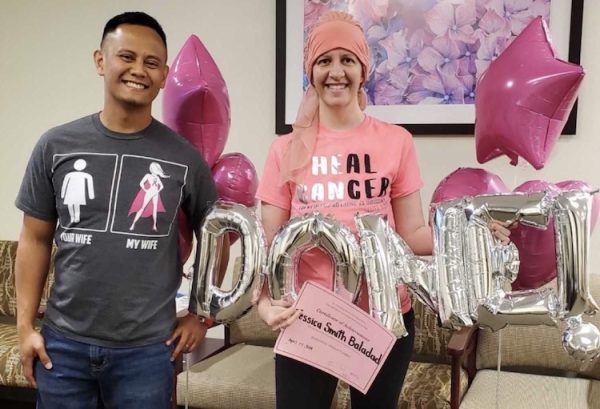

What has been your favorite part of working in the breast health advocacy space? Baladad reflected:
“The app has evolved into something bigger. ‘Feel’ is an action; it’s about taking action for yourself, which has led me into policy work on insurance barriers, medication and pharmacy restrictions, and other healthcare complexities that prevent people from getting to the doctor. I’ve participated in advocacy at the federal, state, and local levels.”
“I recently wrote an op-ed on certificate-of-need laws and spoke at a hearing in Nashville that led to two new hospital approvals. I’ve also been meeting with my federal legislators about the Health Tech Investment Act (HTIA) (S. 1399/H.R. 6197), a bill that would improve people’s access to mammograms and other screenings that integrate the latest AI tools to detect cancer at an early stage.”
“I want to thank my Tennessee Senator, Marsha Blackburn, for understanding patient needs and hearing their stories. She’s working hard to improve the system for patients and address issues by championing healthcare legislation such as the HTIA. Being part of a movement to improve healthcare access in both my community and for the nationwide population has been a huge personal win.”

Evolution of the App: Integrating Artificial Intelligence
How has Feel For Your Life evolved since launching? Baladad noted:
“We’ve added a ‘Breast Friend AI’ to the app. I taught myself Python and worked with medical professionals and lawyers to code and design it, based on the tools I wish I had before and during my diagnosis. It can do everything from helping find screening facilities, translating pathology reports into plain language, generating questions for doctor visits, or even providing emotional or mental support like creating playlists to ease anxiety before an appointment. What has surprised me most is how stage 4 patients use it; they input scan results before appointments and prepare informed questions, which is so powerful.”
Reflections and Future Goals
What are you looking forward to, and what is next for your app? Baladad concluded:
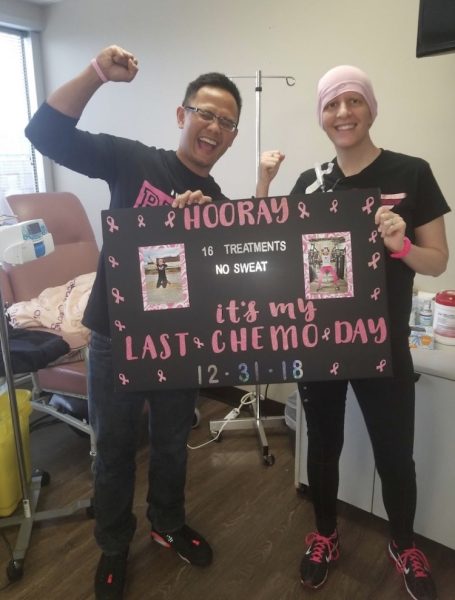
“I believe cancer is not something that happened to me. It happened for me. I’m the fourth generation on my dad’s side to be diagnosed with breast cancer with no known gene mutation. I’ve had 16 rounds of chemotherapy, a double mastectomy, 24 rounds of radiation, a prophylactic complete hysterectomy, and DIEP (Deep Inferior Epigastric Perforator) flap reconstruction. Because of my experience, my younger sister chose to have a prophylactic double mastectomy and partial hysterectomy. I’m fighting for the women who came before me, my family, and those who will come after, and I’m very grateful that my sister and hopefully future generations won’t have to experience what I did.”
“I’m planning on reformatting and redesigning Feel For Your Life to make the AI more intuitive and user-friendly, simplifying it and reducing the number of steps. I’m also looking forward to taking policy issues head-on, hopefully seeing the Health Tech Investment Act move forward through Congress, and addressing broader healthcare issues. My goal is to make healthcare more accessible, transparent, and easier to navigate for everyone. That will change health care for all Americans in ways that don’t divide us but actually bring us together.”

