

Haus of Brilliance is a New York City-based fine-jewelry brand that designs and sells ethically sourced, fairly priced pieces featuring natural and lab-grown diamonds, gemstones, and pearls. Pulse 2.0 interviewed Haus of Brilliance founder Monil Kothari to gain a deeper understanding of the company.
Monil Kothari’s Background
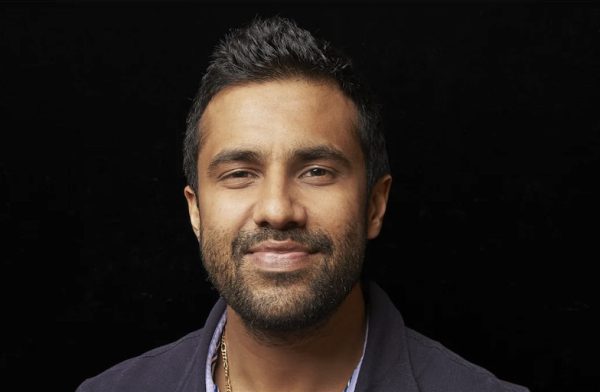
Could you tell me more about your background? Kothari said:
“I was born and raised in New Jersey and am a third-generation jeweler. My grandfather began in India when the country first opened diamond manufacturing, working as a rough diamond broker. He sourced stones — often from Belgium or Israel — brought them to India for cutting and polishing, and sold them as finished loose diamonds.”
“My father entered the business at 16, and by his late 20s, he and my grandfather had moved to the U.S. to open a New York office. From the late ’80s to 2007, my father and his younger brother built one of the largest fine jewelry wholesale operations in the country. We were part of a multinational De Beers Diamond Sight Holder company, with our office running its largest segment — fine jewelry.”
“When the U.S. jewelry industry collapsed in 2007, many retailers closed, others went direct to overseas manufacturers, and the business turned into a financing and consignment game — something a New York office couldn’t sustain at scale. By the time I joined after college, we were at rock bottom. E-commerce became our path back.”
Being Set Apart As A Founder
What sets you apart as a founder? Kothari shared:
“I’m a reluctant founder. I never planned to be in jewelry, even with my family history, but I took the initiative in retooling our operations and built the e-commerce business that is our flagship brand, Haus of Brilliance.”
“What sets me apart in our trade is how I’ve operated outside the traditional playbook — embracing technology, marketplaces, and calculated risks most jewelers shy away from. The industry has been slow to adopt digital tools; I’ve leaned into them from day one.”
Formation Of The Company
How did the idea for the company come together? Kothari shared:
“There was no grand plan — just a lot of unsold inventory from my father’s era. My dad suggested I “try selling online” as a distraction when I first started, with very little to do. That experiment turned into a business. Overstock.com was our first customer, and from there we grew into a multi-channel, multi-category fine jewelry distributor.”
Favorite Memory
What has been your favorite memory working for/on the company so far? Kothari reflected:
“Two stand out:
Selling an 18K yellow gold bangle set with 32 carats of natural fancy colored diamonds for a high five-figure price entirely online.
The holiday season — hectic, exhausting, and thrilling with the sheer variety and volume of orders.”
Core Products
What are the company’s core products and features? Kothari explained:
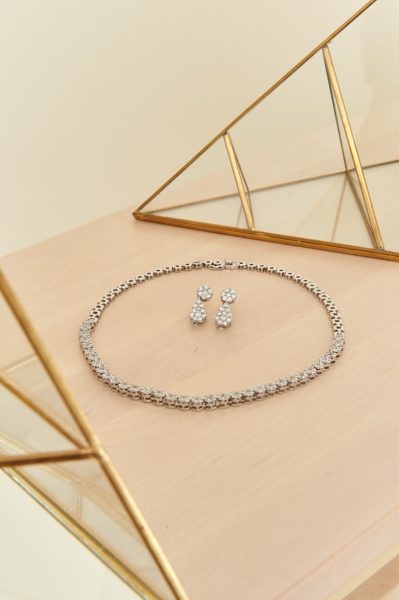
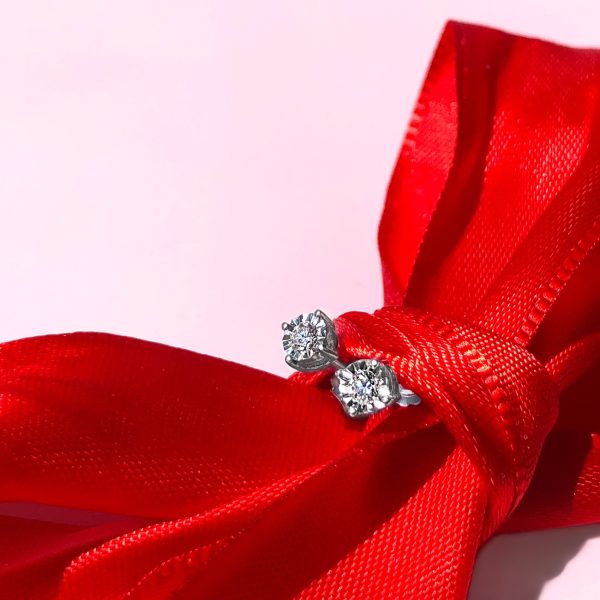
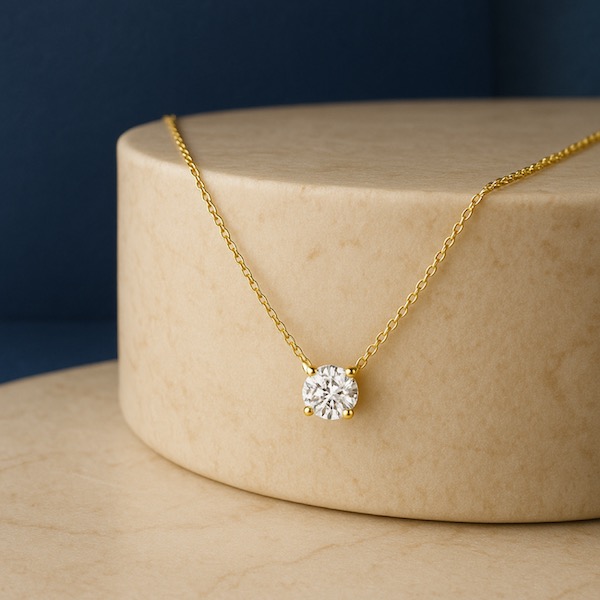
“We’re a jewelry company, but instead of a small curated line, we focus on breadth: from $50 silver diamond-accent pieces to $50,000 South Sea pearl earrings. We cover every category, material, and price point — fine fashion, bridal, men’s, chains, brooches, pearls, gemstones, natural and lab-grown diamonds.”
“Our goal is ‘something for everyone,’ paired with fast service — all orders ship within two days, and 90% ship the same day.”
Sector Bottleneck
Have you faced any specific bottlenecks in your sector recently? Kothari acknowledged:
“Yes — tariffs. Many of our products come from India, and duties jumped from 5–6% to 55%. This has upended holiday 2025 merchandising. At that rate, you can’t restock bestsellers profitably, and no factory will absorb the cost.”
Amplifying Reach
Has the company used any technologies or marketing tactics to amplify reach? Kothari noted:
“Our growth has come from retailer and marketplace expansion rather than heavy ad spend. We now operate thousands of SKUs across 15–20 sales channels, supported by a robust order and inventory management system and a stack of customized tools — some built in-house. Multi channel is the back bone of what we do and that has resulted in scale at a far cheaper cost than advertising.”
Significant Milestones
What have been some of your company’s most significant milestones? Kothari cited:
“Becoming a seven-figure Amazon seller — and growing well beyond that as a company.”
“Expanding our catalog to 4,000+ SKUs.”
“Securing marketplace and retailer partnerships like 1stDibs, Chairish, QVC, and more.”
“Growing our team after years of downsizing.”
“Shipping out over 10,000 orders in 2025, which, when you consider our AUR, is no small feat.”
Customer Success Stories
Can you share any specific customer success stories? Kothari highlighted:
“One memorable sale was a $15K gold and diamond bracelet to a Florida customer who wanted to pick it up in New Jersey during vacation. My dad personally hand-delivered it to their hotel to make it happen.”
“On the B2B side, our launch with Nordstrom was a highlight. In just 20 days, we onboarded, integrated, listed 2–3K SKUs, and drove over $350K in retail sales during the holiday season.”
Funding/Revenue
Are you able to discuss funding and/or revenue metrics? Kothari revealed:
“We’re 100% bootstrapped — no investors. While I won’t share exact revenue, we’ve grown year-over-year, and despite tariffs, we’re still up 20–25% over last year.”
Total Addressable Market (TAM)
What total addressable market (TAM) size is the company pursuing? Kothari assessed:
“The U.S. fine jewelry market is about $100B. I’m less focused on TAM as a metric and more on capturing opportunity from slow-to-adopt competitors and ad-heavy D2C brands exiting the market.”
Differentiation From The Competition
What differentiates the company from its competition? Kothari affirmed:
“Competitors fall into three groups:
Price-only sellers — Low quality, no brand loyalty, unsustainable margins.
D2C brands — Beautiful branding, but small assortments, compressed margins, and limited channel reach.
Large retailers — Often slow to bring products online, though partners like QVC, Kohl’s, Nordstrom, and AAFES excel here.
We win by being nimble, pricing intelligently, offering an unmatched assortment, and bringing products to market faster.”
Future Company Goals
What are some of the company’s future goals? Kothari emphasized:
“Make Haus of Brilliance a lifelong jewelry destination.”
“Grow from 4,000 SKUs to 10,000 by 2026 and 50,000 by 2028–29.”
“Expand internationally to “open our house” to the world.”
Additional Thoughts
Any other topics you’d like to discuss? Kothari concluded:
“I love talking about the business, but I’m especially passionate about operations and logistics — the systems that make e-commerce work — as much as the jewelry itself.”
