

Impala is a philanthropy data intelligence platform that helps foundations, nonprofits, and philanthropic networks understand funding patterns, research organizations, evaluate potential grantees, and make more informed decisions. Pulse 2.0 interviewed Impala CEO Marisa Sires to learn more about her background, the company’s AI-powered data platform, Philanthropy Hubs, MCP Server, customer success stories, revenue growth, and plans to build a shared system of record for philanthropy.
Marisa Sires’ Background
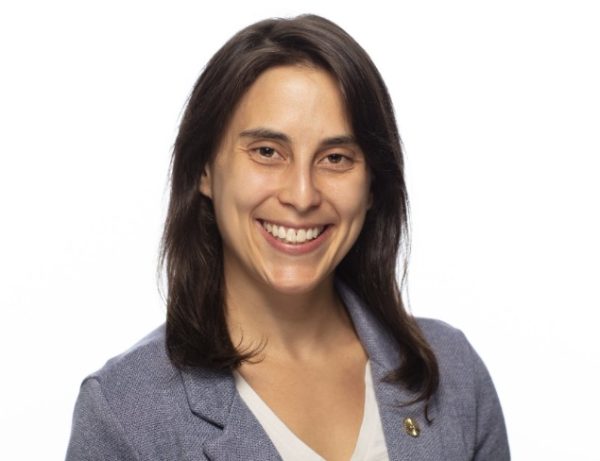
When asked about her professional background, Sires shared:
I started my career in customer support and account management, which taught me something that’s stayed with me throughout my career: the best products start with a deep understanding of the people using them, the problems they’re trying to solve and what gets in their way.
From there, I moved into product at Gigya, a Silicon Valley customer identity management company. After relocating to New York, I worked in mobility and real estate technology before moving into philanthropy. I’ve always been drawn to industries where the technology available to professionals hasn’t kept pace with what we’ve come to expect as consumers.
Philanthropy is a particularly striking example. Foundations and nonprofits collectively move billions of dollars every year, yet understanding where that money goes, which organizations are doing what, and where opportunities exist can still mean manually piecing together fragmented public records and navigating opaque IRS filings. The challenge isn’t a lack of information. It’s making that information accessible, meaningful and actionable at scale.
That’s what attracted me to Impala. Its founders saw an opportunity to bring the same sophistication and accessibility we’ve come to expect from modern technology to a sector doing incredibly important work.
I joined as Chief Product Officer in May 2024, leading the development of Impala Suite 2.0, Philanthropy Hubs, and our MCP Server. In October 2026, I stepped into the CEO role, succeeding Guy Miasnik, who remains Executive Chairman. It’s an exciting opportunity to build on that foundation and help shape how the sector uses data and technology to make better-informed decisions.
Primary Responsibilities At Impala
Discussing her responsibilities as CEO and the transition from her previous role as Chief Product Officer, Sires outlined:
As CEO, my responsibility is to set Impala’s direction and ensure we’re building a business that can deliver on it. That means overseeing our growth, product strategy, AI development, and customer relationships.
I’m still very hands-on, particularly when it comes to leading sales conversations. Hearing directly from customers about their challenges, what they need, and where we can do better is invaluable. It keeps us focused on solving real problems rather than building technology for its own sake.
Moving from Chief Product Officer to CEO has also meant taking on a broader operational role, from financial planning and contracts to the decisions that come with scaling a company. Guy remains closely involved in long-term strategy and governance, and we’ve worked together to shape our priorities for the year ahead.
One area I’m particularly focused on is how we build. We’re moving toward a model where engineers take ownership of a feature from the initial customer problem through to launch. This means the engineers building the features also need to understand exactly why a program officer or development director needs them, so they can make better decisions, move faster and ultimately deliver something more useful.
We’re still a growing company, so everyone wears several hats, myself included. My job is to make sure we grow with intention, stay close to our customers, and build the right foundations for the next stage of Impala’s growth.
Favorite Memory Working At Impala
Reflecting on her favorite memory working at the company, Sires recalled the launch of Impala’s U.S. Democracy Hub:
Launching our U.S. Democracy Hub in September 2024, just ahead of the presidential election, is a moment that really stands out. We were working with organizations trying to understand the democracy ecosystem: who was funding what, which nonprofits were doing the work, and where there were gaps or opportunities for greater collaboration. The information existed, but it was scattered across thousands of organizations and grant records, making it incredibly difficult to see the bigger picture.
What made the launch particularly exciting was the taxonomy work behind it. One of philanthropy’s biggest challenges is that we don’t have a shared language for describing the work happening across different causes and communities. Traditional classifications are often too broad to capture what organizations actually do. With Democracy Hub, we could start organizing that information in a way that reflected how people working in the sector understood their own ecosystem, making it possible to discover organizations, understand funding patterns, and identify connections that might otherwise remain invisible.
Seeing that come to life alongside our customers was incredibly rewarding. We’d already built Impala for Fundraisers around helping nonprofits understand their relationships with potential funders, but Democracy Hub showed what becomes possible when you apply that same thinking across an entire sector.
It also helped shape where we’re heading next. We’re building on that taxonomy work to give funders, nonprofits and networks a much more precise, shared understanding of the causes they care about. I think some of the most exciting developments at Impala are still ahead of us, and Democracy Hub was an important step toward making them possible.
Core Products And Features
When asked about Impala’s core products and capabilities, Sires described the company’s data intelligence platform:
At its core, Impala is a data intelligence platform designed to help the philanthropy sector make better-informed decisions. Everything starts with our profiles of funders and nonprofits, which bring together information from IRS Form 990 filings, organization websites, and an expanding range of sources. That includes financials, grantmaking history, leadership, and programs, giving users a clearer picture of individual organizations and how they fit into the broader philanthropic ecosystem.
Accessibility is central to our approach. Our free platform allows anyone to explore funders, grantees, and the relationships between them, including multi-year financial data. That’s particularly important for smaller nonprofits that may not have the resources to invest in expensive research tools. Our premium offerings provide deeper intelligence, including access to more than 25 million grant transactions and tools to analyze funding patterns and funder overlap.
We’ve built specific products around the decisions our customers need to make. Funder Prospecting, part of our Impala for Fundraisers bundle, helps nonprofits identify and prioritize funders whose giving aligns with their mission. Our Due Diligence tools help foundations assess prospective grantees using reliable, traceable data. Philanthropy Hubs give regional and cause-based networks a shared view of their ecosystems, including custom taxonomies that reflect how they define and understand their sectors. Ecosystems help users explore the connections between organizations, grants, and funding activity.
We’re also making this intelligence easier to access and apply. Impala Suite 2.0 simplifies how customers access and purchase our capabilities, while our MCP Server allows users to work with Impala’s data directly through AI tools such as Claude and ChatGPT, including through our free offering.
Ultimately, we’re working toward something bigger than a collection of research tools: a shared, accessible source of intelligence that helps the entire philanthropy sector understand where resources are going, identify opportunities and make more informed decisions.
Challenges In Philanthropy Technology And AI Adoption
Addressing challenges facing the philanthropy technology sector, Sires emphasized the importance of transparency and responsible AI adoption:
AI has created an interesting challenge. There’s pressure on every technology company to integrate it, but philanthropy has good reasons to be cautious. Foundations are responsible for significant amounts of money, and their decisions affect real communities. They need to understand where information comes from and be able to explain their decisions.
An AI-generated answer with no supporting evidence isn’t particularly useful to them.
We’ve made transparency central to how we build. If Impala classifies a grant or recommends a funder, users can see the underlying reasoning, whether that’s a mission statement, keyword, program description, or grant history.
We’ve applied the same approach to our MCP Server. It’s read-only, respects user permissions, doesn’t use customer prompts for training, and links results back to their sources.
The other challenge is that funding needs are changing quickly, while many organizations are operating with fewer resources. People need reliable answers faster, without adding more work.
We’ve responded by focusing on practical applications of technology rather than adding AI for the sake of it.
The question we keep asking is whether something genuinely makes a customer’s job easier.
Latest Product Developments And MCP Server Launch
Discussing Impala’s recent developments, including Philanthropy Hubs, its MCP Server, and emerging AI-powered due diligence capabilities, Sires highlighted:
One of our biggest areas of progress has been Philanthropy Hubs. We launched our first Hub, focused on democracy, in September 2024, ahead of the presidential election. Since then, we’ve expanded the initiative to help regional and cause-based networks better understand the organizations, funding flows, and relationships within their ecosystems.
A particularly important component is our custom taxonomy capability, which allows networks to organize their sectors using categories that reflect the work actually happening on the ground, rather than relying solely on broad, traditional classifications. It’s about creating a shared language that helps organizations see the bigger picture and identify opportunities they might otherwise miss.
In August, we launched our MCP Server, making Impala’s data accessible directly through AI tools such as Claude and ChatGPT. Rather than switching between platforms or manually assembling information, users can research prospective grantees, explore funding landscapes and incorporate reliable philanthropy data into their existing AI workflows. The connector is available across our free and paid offerings, takes approximately two minutes to set up, and also enables customers to build their own applications using Impala’s data.
We’re now taking that work further, particularly in due diligence. We’re developing an AI-powered due diligence agent that will help funders bring together and assess information from a much broader range of sources. Historically, much of the sector has relied on IRS Form 990 filings and audit data from the Federal Audit Clearinghouse. Those are valuable sources, but they don’t always provide a complete or current picture of an organization.
We’re expanding our data capabilities to incorporate website content, impact reports, and other relevant materials, while enabling funders to upload more recent documents about the organizations they’re evaluating. The goal is to make due diligence more comprehensive and timely, without losing the transparency and human oversight that responsible funding decisions require.
We’ve also introduced Impala Suite 2.0, refining our pricing and packaging to make it easier for customers to access the capabilities that best suit their needs.
On a personal note, I stepped into the CEO role in October, succeeding Guy Miasnik, who remains Executive Chairman. With annual recurring revenue up 60%, we’re entering this next chapter with strong momentum. My focus is on building on that foundation and making Impala’s intelligence even more accessible, actionable and valuable to the sector.
Significant Company Milestones
When asked about Impala’s most significant milestones, Sires identified three major product launches:
Three product launches stand out.
- The first was Impala for Fundraisers. It was the first time we built a product around a specific job: helping development teams find funders whose giving aligns with their mission. That approach changed how we thought about product development.
- The second was Philanthropy Hubs. Introducing custom taxonomy meant networks could finally define and explore their sectors in ways that reflected how they actually operate. It also exposed the limitations of some of the traditional categories philanthropy relies on.
- The third was Due Diligence. It significantly reduced the manual work involved in assessing prospective grantees. Instead of spending hours gathering tax filings and financial information, program officers and grants managers can get a consistent, traceable assessment much faster, while applying their own risk criteria.
On the business side, we’ve grown annual recurring revenue by 60%, passed 150 paying customers, and launched Impala Suite 2.0. Those are meaningful milestones for a company serving a sector historically underserved by technology.
Customer Success Stories
Highlighting Impala’s work with the Barancik Foundation, Sires described how data intelligence can complement trust-based philanthropy:
Our work with the Barancik Foundation is a great example of how technology can strengthen trust-based philanthropy rather than work against it. People sometimes assume rigorous due diligence and trust-based grantmaking are at odds, but we see them as complementary.
Trust-based philanthropy builds stronger relationships with nonprofits, reduces unnecessary administrative burdens, and gives organizations the flexibility to do their best work. That doesn’t remove a foundation’s responsibility to understand the organizations it supports. It means finding better ways to do that work without placing additional demands on grantees.
With Impala, Barancik can assess a prospective grantee’s financial health using existing public data rather than asking the organization to compile yet another set of documents. That saves time on both sides and allows conversations to focus on the organization’s mission, impact, and needs.
I particularly like the philosophy of being risk-aware, not risk-averse. Good due diligence shouldn’t simply identify reasons not to fund an organization. It should help foundations understand the full picture, including where an organization may need support, and make informed decisions based on their own priorities and risk tolerance.
That distinction matters because financial indicators alone don’t always tell the whole story. A smaller nonprofit might have limited reserves or an unconventional financial profile but still be doing exceptional work in its community. If we use data only to screen organizations out, we risk overlooking the very organizations philanthropy should support.
Our goal is to help foundations expand the pool of organizations they can confidently consider, not narrow it. By making reliable information easier to access and interpret, we can help funders look beyond familiar networks, discover promising organizations, and make decisions with greater confidence. Technology should strengthen human judgment, not replace it.
Funding And Revenue Metrics
When asked about Impala’s funding and revenue performance, Sires reported:
We’ve grown annual recurring revenue by 60% and now serve more than 150 paying customers, including the Jewish Federation Bay Area, Andrew Carnegie Foundation and the Minnesota Council on Foundations. What’s particularly encouraging is the breadth of organizations we’re working with, from foundations and nonprofits to philanthropy networks and consultants. It shows that the need for better data and intelligence extends across the entire sector.
Impala was founded by philanthropists, and our lead investor, the Diane and Guilford Glazer Foundation, is represented on our board. Having investors who understand the sector firsthand, and who share our belief in its long-term potential, has been important as we’ve grown.
Much of our momentum has come from customers finding new ways to use Impala. We’ve refined our pricing and packaging through Suite 2.0 to make our capabilities more accessible, while the expansion of Philanthropy Hubs has opened up opportunities to work with entire regional and cause-based networks, not just individual organizations.
We don’t disclose more detailed financials, but we’re seeing strong demand for tools that make philanthropy’s data more useful and actionable. As we expand our AI capabilities, particularly around due diligence and sector intelligence, we see significant opportunities to deepen our relationships with existing customers and reach new audiences.
Target Market And Growth Opportunities
Discussing the market Impala is targeting, Sires outlined opportunities across the U.S. philanthropy ecosystem:
We’re focused on the broader US philanthropy ecosystem, from foundations, nonprofits and corporate giving programs to donor-advised fund sponsors, philanthropy networks and the consultants who support them.
What connects these organizations is a shared challenge: understanding who is funding what, where resources are going, and how their work fits into the bigger picture. The information exists, but it’s often buried in fragmented public records that are difficult to interpret, connect, and analyze at scale.
The needs differ depending on where you sit in the sector. Foundations need reliable intelligence to evaluate prospective grantees and understand their portfolios. Nonprofits need to identify funders whose priorities align with their missions. Consultants need to deliver those insights across multiple clients.
And networks have a particularly interesting opportunity: by giving their members and constituents access to a shared picture of their funding ecosystem, they can empower those organizations to make better decisions, identify gaps, collaborate more effectively and ultimately increase the collective impact of their work.
That’s where our vision extends beyond traditional fundraising or grantmaking software. We want to make philanthropy’s data useful not just to individual organizations, but to entire communities working toward shared goals.
AI makes that opportunity even more significant. As foundations, nonprofits and networks begin incorporating AI into their daily workflows, they’ll need reliable, structured and traceable data to make those tools genuinely useful. Our ambition is for Impala to become the public system of record for philanthropy, providing the foundation of intelligence that organizations, networks and AI applications can build upon.
What Differentiates Impala From Its Competition
When asked what distinguishes Impala from competing philanthropy data platforms, Sires emphasized transparency and explainable AI:
For me, the biggest differentiator is transparency. There are established players in philanthropy data, but we’ve focused on making the information more useful and showing customers exactly how we arrive at a result.
If someone searches for grants in a particular sector, we don’t just give them a list. We show why each grant was included, whether that’s based on a mission statement, program description, keyword, or another data point. That distinction matters. A list is only useful if you can understand what’s in it and what’s potentially missing.
We recently worked with a public foundation in New York that was developing a sector dataset. By making our classifications traceable and using more specific keywords, we were able to identify smaller, specialized organizations that broader categories had overlooked.
AI helps us process and organize information at scale, but we don’t believe customers should have to take its answers on faith. They need to be able to check the underlying data, particularly when they’re making funding decisions.
Future Company Goals
Outlining Impala’s future priorities, Sires described plans to establish a shared intelligence platform for philanthropy and improve how organizations are classified:
We have two major priorities over the next six to 12 months, and they’re closely connected.
The first is establishing Impala as the public system of record for philanthropy. Most foundations and nonprofits already have systems to manage their own grants, donors, and relationships. What’s missing is a reliable, accessible picture of everything happening beyond their own organizations: who’s funding what, where resources are flowing, which organizations are working on similar challenges, and where opportunities exist. We want Impala to be the place the sector turns to for that broader intelligence.
The second is changing how philanthropy understands and categorizes itself. For decades, the sector has relied on IRS National Taxonomy of Exempt Entities (NTEE) codes to classify nonprofits. Those categories serve a purpose, but they’re often far too broad to reflect the work organizations actually do.
Take Jewish education, for example. A funder interested in early childhood learning might want to identify organizations working specifically in Jewish Education, Jewish Day Schools, Early Learning for Jewish Children. Traditional classifications don’t provide that level of detail, so relevant organizations can be hard to discover, even when they’re doing exactly the work a funder wants to support.
We’re developing technology that can analyze information about organizations, identify common themes, and build much more precise taxonomies that reflect how different communities understand their work. Crucially, users will be able to see the evidence behind those classifications, rather than simply accepting an AI-generated label.
This has implications well beyond search. Imagine a regional philanthropy network being able to map every organization working on a particular issue, understand how funding is distributed across different subsectors, and give its members the intelligence to identify overlooked needs or opportunities for collaboration.
That’s the future we’re building toward: a shared language for philanthropy, supported by reliable data, that makes the sector easier to understand and more effective at directing resources where they’re needed. We’re aiming to bring these expanded taxonomy capabilities to market within the next year.
The Future Of AI In Philanthropy
Sharing additional thoughts on AI adoption in the philanthropy sector, Sires stressed the importance of balancing innovation with responsible oversight:
One thing I feel strongly about is that philanthropy needs to be risk-aware about AI, not risk-averse. I share that philosophy with Ev Bosque at the Barancik Foundation, and I think it applies as much to adopting new technology as it does to funding decisions.
The sector is right to be cautious. Foundations and nonprofits are accountable to the communities they serve, and mistakes can have real consequences. But caution shouldn’t mean standing still. If we focus so much on avoiding risk that we overlook opportunities to work more effectively, we may limit the impact we could have.
AI has enormous potential to reduce administrative burdens, make information more accessible, and help organizations make better-informed decisions. The important thing is understanding where it adds value, where it can fall short, and what safeguards need to be in place.
At Impala, that means making AI outputs transparent and traceable to their underlying sources, so customers can understand the evidence behind a recommendation or finding. We’re not trying to replace human judgment. We’re giving people better information, greater confidence in their decisions, and more time to focus on the communities they serve.
I believe the organizations that get the most from AI will be those that approach it with curiosity and appropriate scrutiny, rather than treating it as either a silver bullet or something to avoid entirely.
