

Impinj manufactures RAIN RFID tag chips, readers, and software that wirelessly connect everyday physical items such as retail apparel, medical supplies, and luggage—to the internet, allowing businesses to track, locate, and authenticate their inventory in real-time. Pulse 2.0 interviewed Impinj SVP of Marketing and Market Development Suresh Palliparambil to learn more.
Suresh Palliparambil’s Background

Could you tell me more about your background? Palliparambil said:
I have spent more than 25 years working at the intersection of technology and operations, integrating RFID, IoT, and other connected technologies to help leaders in supply chain, manufacturing, retail, pharmaceutical, and CPG verticals improve efficiencies and outcomes. Before joining Impinj, I held leadership roles across companies including DHL, Datalogic, NXP, Ondas Networks, and the Swatch Group. Today, I lead marketing and market development at Impinj, working with our partners and customers to expand adoption of Impinj’s Physical Intelligence platform and unlock new ways to connect the physical and digital worlds.
Evolution From The Early Days
Impinj is marking 10 years as a publicly traded company and more than 25 years of building RAIN RFID technology. How would you describe the company’s evolution from its early days to where it is today? Palliparambil shared:
Impinj pioneered and commercialized RAIN RFID, helping take the technology from research labs in the early 2000s to global deployments that now connect billions of physical items. In the early days, much of the work focused on proving the technology, advancing industry standards, and helping build the broader RAIN RFID ecosystem.
Over time, our role has evolved from establishing the RAIN RFID category to enabling Physical Intelligence — making every physical item visible, traceable, and connected to the digital world. We provide the platform, software, solutions, and partner ecosystem that enable organizations to reliably, continuously capture real-time item-level data and transform it into actionable business intelligence across industries including retail, logistics, and manufacturing.
Our evolution reflects a much larger shift in the market. Enterprises no longer just want to know where an item is; they want continuous visibility into what’s happening across their operations, so they can automate decisions, improve efficiency, and increasingly power AI systems with trusted, real-world data.
While we’ve made tremendous progress over the past 25 years, we’re still at the beginning of this journey. Today, less than 1% of the world’s physical items are connected, leaving enormous opportunity to expand Physical Intelligence across industries and fundamentally change how businesses operate.
RAIN RFID
For readers who may not be familiar, what is RAIN RFID and why has it become such an important layer of infrastructure for connecting physical items to the digital world? Palliparambil explained:
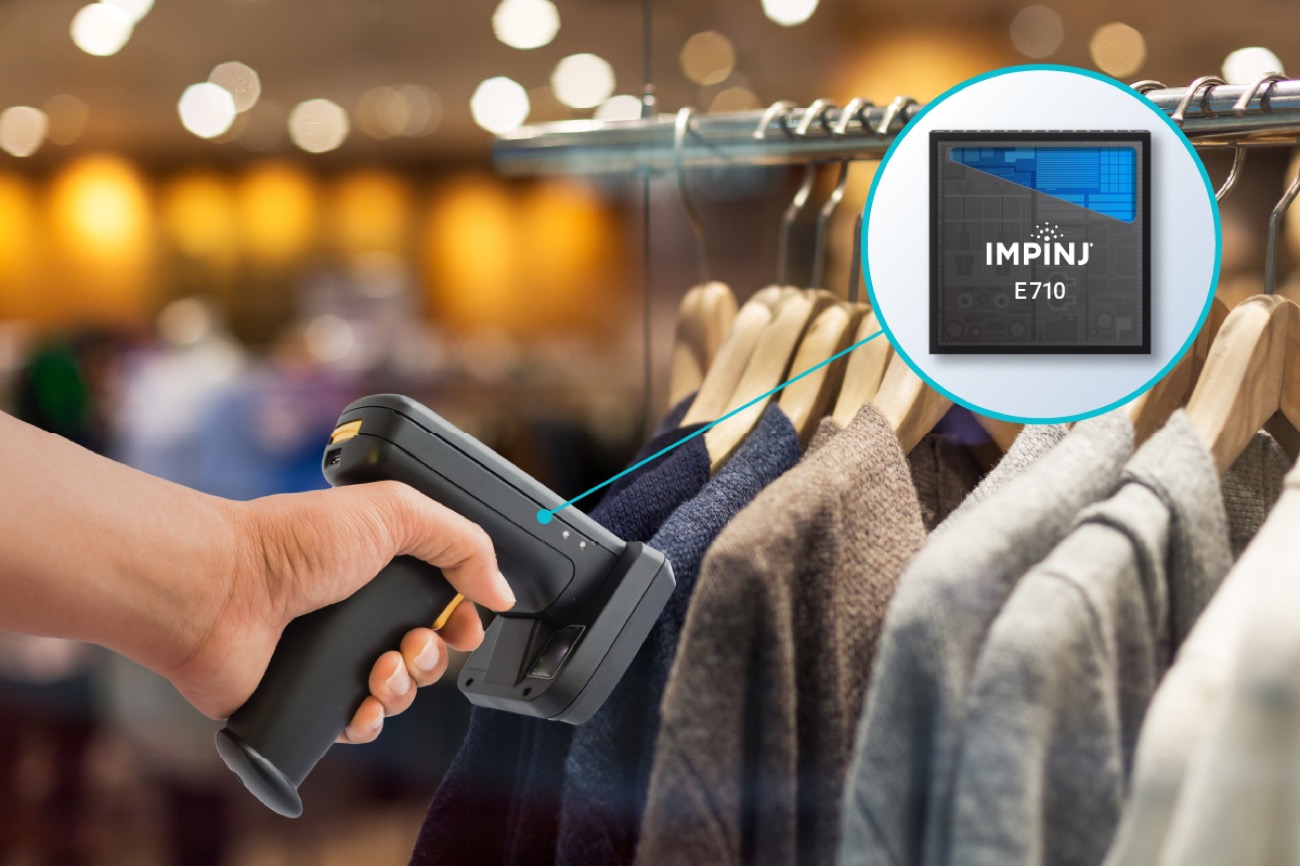
RAIN RFID is a wireless Internet of Things (IoT) technology that allows businesses to automatically identify, locate, and track physical items – individually and in bulk – using passive tags without batteries. By giving every item a unique digital identity, organizations gain real-time visibility into inventory, assets, and products as they move through the physical world.
That visibility matters because companies increasingly need trusted, real-world data about what they have, where it is, and how it is moving. As enterprises adopt AI solutions to manage inventories and shipments, RAIN RFID provides a foundational layer of infrastructure to turn physical items into digital information that enterprise systems, automation tools, and AI applications can understand and act upon.
With Gen2X – a standards-compatible enhancement to the RAIN RFID standard – Impinj has built upon decades of innovation with capabilities developed alongside Fortune 500 enterprises that deliver faster, more reliable, and more continuous item-level data, enabling Physical Intelligence through real-time visibility and traceability at scale.
Moving RAIN RFID To Large-Scale Adoption
What were some of the key inflection points that helped RAIN RFID move from early enterprise pilots to large-scale adoption across retail, logistics, e-commerce fulfillment, and healthcare? Palliparambil described:
Walmart played a pivotal role in accelerating industry adoption by validating the vision of connecting physical items at scale. They started with deployments in logistics before expanding RFID across store shelves and apparel, sending a strong signal to the broader retail ecosystem. When an industry leader like Walmart invests at scale, it gives suppliers, technology providers, and other retailers the confidence to accelerate their own deployments.
At the same time, the broader ecosystem continued to mature, including global standards, regulatory approvals, and products that could perform reliably in real-world environments, supporting use cases ranging from supply chain automation and inventory management to retail self-checkout and loss prevention.
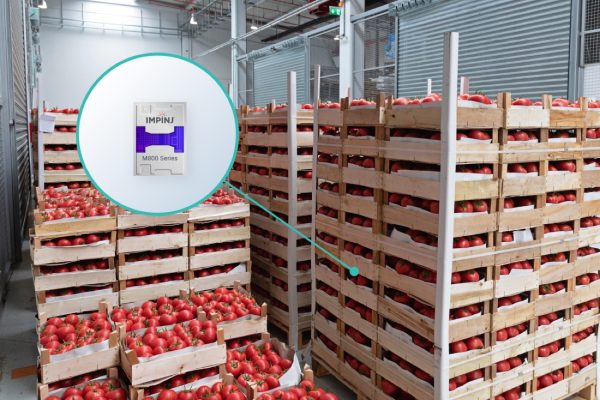
As all the pieces came together, retailers from Macy’s to Decathlon began demonstrating measurable business value from item-level visibility. That was an important turning point because it showed RAIN RFID could truly improve inventory accuracy, product availability, and operational performance, generating sales uplift by avoiding out-of-stocks. From there, RFID adoption has expanded beyond apparel retail into areas such as general merchandise, logistics, e-commerce fulfillment, food, healthcare, and other categories where real-time visibility can improve efficiency, reduce waste, and solve other meaningful business problems.
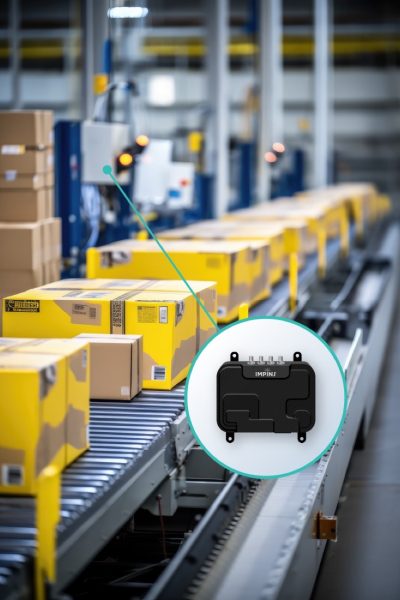
Most recently, impressive RFID efficiency gain announcements from Inditex (reducing unsold inventory from an industry average 10-20% to 0.57%) and UPS (eliminating over 20 million manual scans) are creating new benchmarks for other retailers and logistics companies to follow. Deploying RAIN RFID is no longer considered a technology that improves operational efficiency; it is now a minimum requirement to stay competitive.
Item-Level Visibility
Item-level visibility has become increasingly important for retailers and brands. What does that level of visibility make possible that was not achievable with older inventory and tracking systems? Palliparambil detailed:
Traditional inventory systems relied on periodic counts, aggregated data, and a significant amount of manual effort. Retailers counted inventory weekly, monthly, quarterly, or even yearly using barcode scanners and paper-based processes, meaning they were making decisions based on data that was often already out of date. They also struggled to account for items that were inside boxes, behind other products, or otherwise difficult to find.
Item-level RAIN RFID changed that by giving every item a unique digital identity. More recently, advances in reader technology, machine learning, and Impinj Gen2X innovations have made autonomous, continuous inventory reading possible. Instead of manually counting inventory every week or quarter, retailers can now continuously understand what inventory they have, where it is, and how it is moving throughout their stores and supply chains with a high degree of accuracy.
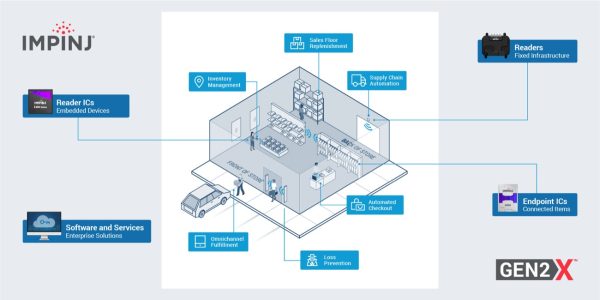
That continuous visibility enables Physical Intelligence. It allows organizations to automate inventory management, sales floor replenishment, omnichannel fulfillment, loss prevention, and supply chain operations while providing AI and enterprise systems with trusted, real-time data about the physical world.
The result is a fundamentally different operating model. Rather than reacting to periodic snapshots of inventory, businesses can continuously monitor physical operations, automate decisions, reduce waste, improve efficiency, and deliver better customer experiences.
RAIN RFID Helping Companies Improve Supply Chains
How is RAIN RFID helping companies improve supply chain resilience, reduce shrink, optimize inventory, and create better customer experiences? Palliparambil specified:
RAIN RFID, powered by innovations from companies across the ecosystem including Impinj, helps organizations move from reacting to problems after they occur to preventing them through real-time visibility of physical items. When companies know what inventory they have, where it is, and how it is moving, they can respond more quickly to disruptions, reduce out-of-stocks, and make smarter decisions across the supply chain.
That visibility also helps retailers replenish shelves more accurately, fulfill online orders with greater confidence, and reduce shrink. By reconciling inventory and point-of-sale data, retailers can better understand when, where, and how inventory is being lost, helping them identify the root causes of shrink and take corrective action.
For customers, the benefit is simple: Products are more likely to be available, accurate, and delivered where and when they are needed. Omnichannel retailers using RAIN RFID can leverage national-scale real-time item availability to pick items directly from local store inventories, delighting customers with rapid fulfillment.
RAIN RFID Providing Real-World Data That AI Systems Need
As AI continues expanding beyond content generation into understanding and acting on the physical world, how do technologies like RAIN RFID help provide the real-world data AI systems need? Palliparambil clarified:
AI is only as useful as the data it receives. Many AI systems can analyze and reason about information, but they often have limited visibility into what is actually happening in the physical world. Augmented by Gen2X, RAIN RFID helps close that gap by providing trusted, continuous data about individual physical items, including identity, location, movement, and status – the foundation of what we call Physical Intelligence.
Real data matters because AI systems operating in the physical world need more than inference. They need trusted, real-time information about what exists, where it is, and what is changing. That’s where Physical Intelligence comes in. By making every physical item visible, traceable, and connected to the digital world, Impinj enables enterprises to transform real-world activity into continuous streams of trusted data that AI systems can use to understand, reason, and act with greater accuracy and confidence.
Lessons Learned From Scaling
What lessons has Impinj learned from building and scaling a category over more than two decades of change in retail, IoT, and enterprise technology? Palliparambil acknowledged:
One of the biggest lessons is that building a new technology category requires patience and long-term commitment. Building RAIN RFID was not just about advancing the technology; it required standards, ecosystem development, regulatory approvals, and clear proof of customer value.
Working with Fortune 500 enterprises to develop the Gen2X solution innovation toolbox, we have also learned that adoption accelerates when innovations solve real business problems. As organizations began seeing measurable improvements in inventory accuracy, operational efficiency, and customer outcomes, momentum for both RAIN RFID and Gen2X has continued to grow across industries.
The other lesson is persistence. There have been challenges and setbacks along the way, but the core belief has remained the same: Connecting physical items creates tremendous value. More than two decades later, the market is still in the early stages of an incredibly large opportunity.
Biggest Opportunities
Looking ahead, where do you see the biggest opportunities for Impinj and RAIN RFID over the next decade? Palliparambil affirmed:
The biggest opportunity is expanding Physical Intelligence into more industries and use cases. Even after decades of adoption, we believe the addressable opportunity remains largely untapped, as more organizations are seeking real-time visibility into their products, assets, and operations, with hopes of achieving previously impossible efficiencies.
We are particularly excited about the convergence of RAIN RFID, AI, and machine learning. As businesses automate more decisions and optimize more processes, they need accurate data about the physical world. Physical Intelligence provides that foundation.
We also see significant opportunity as RAIN RFID expands into food, supply chain and logistics, healthcare, and other high-volume categories where real-time visibility can improve efficiency, reduce waste, and create better outcomes. Advances in autonomous reading, edge intelligence, and mobile RFID-enabled devices will make it easier for businesses to capture and act on that information at scale.
Additional Thoughts
Any other topics you would like to discuss? Palliparambil concluded:
As we celebrate the 10th anniversary of our company’s debut on NASDAQ, a major milestone for Impinj, what excites us most is how much opportunity still lies ahead. After more than 25 years of RFID innovation, only a small fraction of the world’s physical items – less than 1% – are digitally connected and generating usable data. As AI, automation, and machine learning become more deeply embedded in business operations, the need for trusted, real-world data will continue to grow. Impinj innovations in Physical Intelligence are directly addressing this need, enabling RAIN RFID to serve as a foundational data layer for the digitization of physical objects.
The demand for Physical Intelligence is already significant and highly likely to continue growing for many years to come. We’ve come an incredibly long way, and we’re still just getting started.
