Liferay provides a unified Digital Experience Platform for building and managing public websites, customer and partner portals, employee intranets, and commerce sites, including secure experiences that require role-based access to sensitive data. Pulse 2.0 interviewed Liferay Co-Founder and CMO Bryan Cheung to learn more.
Bryan Cheung’s Background And Liferay’s Origins
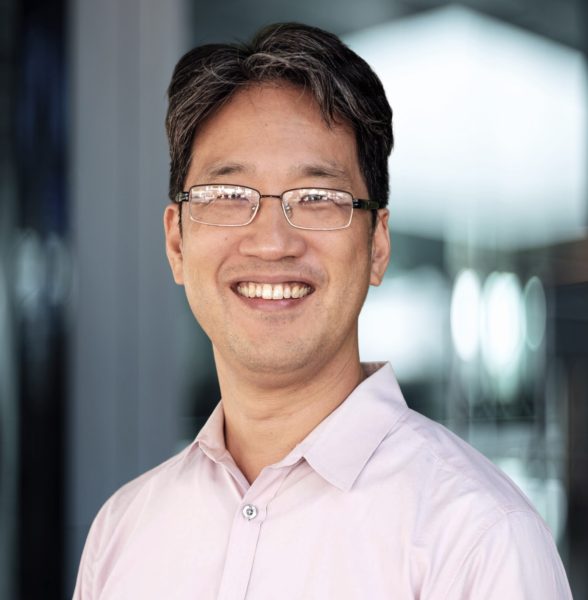

When asked about his background and how the idea for Liferay came together, Cheung shared:
My career path originally looked very different. My first professional ambition was actually to become a lawyer. However, that trajectory changed in the early 2000s after our CEO and Founder, Brian Chan, developed the original Liferay Portal. At the time, the market for web portals was dominated by expensive, proprietary vendors, making it difficult for organizations with limited resources to build high-quality digital presences. We saw a unique opportunity to help nonprofits build their digital experiences by offering a more accessible alternative.
We eventually realized that creating a for-profit business would actually be the most effective vehicle for doing good. It provided us with a sustainable way to invest back into local communities and charities. That founding philosophy, using business as a force for positive impact, remains at the heart of Liferay today.
Core Products And AI Hub
When describing Liferay’s core products and features, Cheung explained:
Liferay provides a unified platform, Liferay Digital Experience Platform, designed to manage the entire lifecycle of a digital experience across multiple audiences. Our core focus is on powering public websites, customer and partner portals, employee intranets, and commerce sites. We excel at supporting authenticated experiences where secure, role-based access is required for sensitive user data.
In the next few months, we will launch the beta version of Liferay AI Hub, which bridges the gap between raw AI potential and practical business operations. It comes out of the box with prebuilt agents for common tasks such as content generation and translation. For more complex needs, customers can use a low-code environment to create custom agents tailored to their specific business logic. To ensure long-term flexibility, the AI Hub can integrate with any third-party LLM or AI service that utilizes the Model Context Protocol.
Technology Evolution
When discussing how Liferay’s technology has evolved since its launch, Cheung outlined:
Liferay has evolved from a traditional portal into a modern, modular, and cloud-native Digital Experience Platform. While we have a long history of deep integration with systems of record like ERPs and CRMs, we are now entering a new phase of architectural flexibility.
Starting this year, we began breaking the platform apart to offer key capabilities independently, such as the standalone Liferay CMS. This modularity, combined with our diverse deployment models, including SaaS, PaaS, cloud-native, and self-hosted, ensures that organizations can align their technology stack with their specific IT strategy and security requirements.
Liferay’s Differentiators
When asked what differentiates Liferay from its competition, Cheung emphasized:
Liferay is an open-source business, which fundamentally changes our relationship with our customers. Unlike proprietary vendors, we do not charge for software licenses. Instead, customers pay for an enterprise subscription that includes professional support, legal warranties, and continuous updates.
A major differentiator is our perpetual license. Customers have the right to continue using our software even if they choose not to renew their commercial relationship with us. This dramatically reduces the risk of vendor lock-in and ensures our incentives remain perfectly aligned with delivering ongoing value. Further, while other vendors focus primarily on marketing-centric web experiences, we go deeper to deliver a stable, integration-first foundation that supports the complex, authenticated journeys modern enterprises require.
Future Goals
When discussing Liferay’s future goals, Cheung concluded:
Our focus is on making AI operational rather than just experimental. We want to empower non-developers to create AI-driven workflows that reflect their specific business context without compromising security or governance. Long term, we aim to remain the most flexible Digital Experience Platform on the market, ensuring that as the composable landscape evolves, Liferay DXP remains the stable, cohesive core that holds an organization’s digital ecosystem together.

