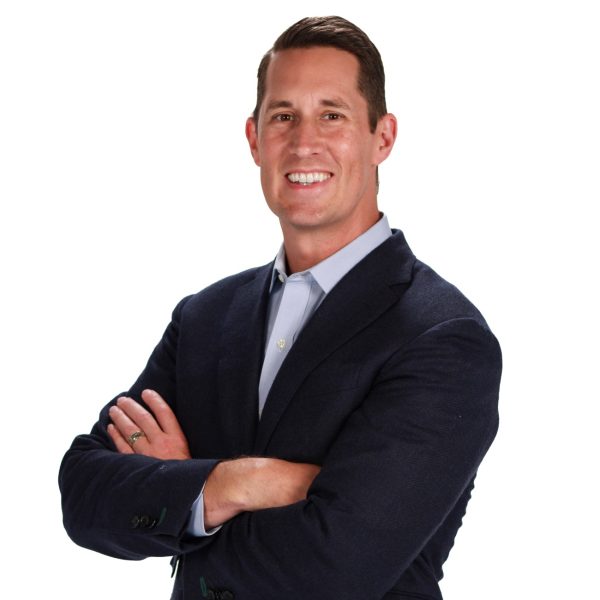
Donovan Campbell has spent a career moving between seemingly disparate worlds — the United States Marine Corps, two New York Times bestselling books, and now the helm of a healthcare technology company — and it is precisely that range of experience that shapes how he leads Medbridge.

Background
Could you tell me more about your background? Campbell explained:
“I’ve been the Chief Executive Officer of Medbridge since 2023, representing my passion for combining the power of digital technology with top-tier medical expertise to democratize access to healthcare across America. Before that, I built and scaled 2nd.MD, growing it from an early innovator in virtual specialty care to serving nearly 900 customers and 12 million covered members. I have 20 years of extensive leadership and technology experience. What people might not expect is that my path to healthcare was unique: I started my career in the United States Marine Corps, serving for five years as a Ground Intelligence Captain with three combat deployments. This part of my life is still a strong presence in my life today, as I continue to serve my fellow veterans in a variety of non-profit educational and employment initiatives. I also authored two New York Times bestselling books.”
Role And Vision
What are your primary responsibilities as CEO? Campbell noted:
“As the CEO, I set the vision for where the company is headed, guide the overall strategy of our team, and bring in the best talent I possibly can to our company. We need the best possible people because we’re building completely new types of software care platforms to help clinicians treat more patients. In simple terms, my job is to assemble the best team that I can, provide the clearest direction possible, and keep us focused so that we can help more patients get better care sooner in their healthcare journeys.”
Favorite Memory
What has been your favorite memory working for the company so far? Campbell shared:
“My favorite experience has been reenvisioning our future and then working towards that goal with clarity and focus. We have historically been a provider of top-notch physical therapy education and patient home exercise programming to physical therapists, occupational therapists, speech-language pathologists, athletic trainers, and nurses. We are now working toward a future that builds on these foundational strengths: to become the nation’s premier provider-centric care platform, helping more providers care for more patients with care and education. So far, my favorite memories have been milestones that mark significant progress, including a new platform that brings a new level of flexibility and clinician empowerment, with 86M+ home exercise programs. We are also making AI tools a reality for clinicians and their patients, improving access, outcomes, and engagement.”
Core Products And Features


What are the company’s core products and features? Campbell described:
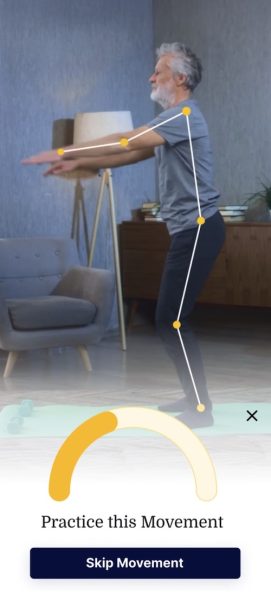
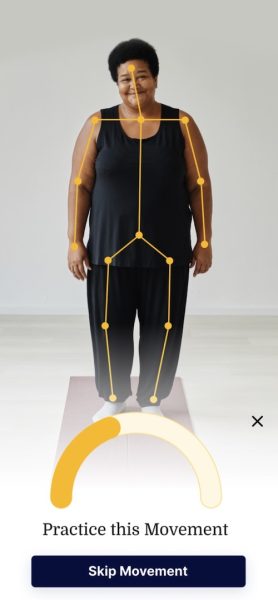
“We recently launched a new platform called One Care that leans on our decade-plus experience in both understanding the needs of practicing clinicians and what drives the high adoption of our digital tools, with nearly 100 million home exercise programs now available. Now, we’re advancing AI to help our users work more effectively while reducing the administrative burden, including integrating agentic AI to deliver more personalized support.”

Challenges
Have you faced any challenges in your sector recently, and how did you overcome them? Campbell responded:
“Our customers’ challenges are the ones that we’re laser-focused on today. Efforts to bend the health care cost curve, improve patient engagement and patient outcomes, and work more effectively are all things we think about constantly. We’re honored to be in a position to not only innovate new solutions for them but also advocate for practices and policies to support them. Physical therapy and other digital care that advances women’s health, prevents falls in older populations, and supports MSK and beyond is essential to our health care system. Our biggest challenge is making sure that everyone who needs this type of care is able to deliver or access it sustainably. For instance, we recently advocated for and were thrilled to see CMS include additional reimbursement support for Remote Therapeutic Monitoring (RTM) in the CY 2026 Physician Fee Schedule (CMS-1832-P).”
Technology Evolution
How has the company’s technology evolved since launching?
Campbell stated: “Medbridge is unique in that we have a long history with our clients, while also acting with the agility and responsiveness that most people expect from a smaller startup when responding to significant growth and evolution in healthcare. In 2025, we launched One Care, our hybrid care software platform that helps providers offer movement-based medicine to patients. One Care covers a broad range of conditions, including musculoskeletal and joint pain, women’s health, surgical rehab, and more. The platform supports patients from first touch to full recovery, combining the largest library of home exercises and patient education on the market with AI-driven guided programs in key clinical categories, such as lower back pain, to help more providers bring convenient and clinically effective conservative care to more patients.
“As we look to the future of technology-enabled care, we believe that the next horizon will be to address the total capacity of care provision in our system by leveraging generative AI to actually care for low-acuity/low-complexity patients to free up our precious human capacity for more complex cases. I’m optimistic that as AI becomes a more well-accepted tool by both patients and providers, we’ll see the provider gap start to close, and with it will come improved health outcomes, shorter wait times, and expanded access so that more people are getting the care they need.”
Significant Milestones
What have been some of the company’s most significant milestones? Campbell remarked:
“The milestones I’m most proud of will always be related to the successes of our customers, their clinicians, and their patients. In today’s complex healthcare landscape, hospitals and private practices are managing workforce shortages, shifting reimbursement models, and a boom in patient-driven demand for flexible options. In this challenging environment, I remain in awe of our customers and how they use Medbridge to drive significant impact for their communities. According to our customer use data, 43% of patients who receive Medbridge’s digital Home Exercise Program log in within the first two hours, and 58% engage within the first two days. Additionally, 86% of patients report being satisfied with their Pathways experience, and 70% of patients report a reduction in pain within 30 days.”
Customer Success
Can you share any specific customer success stories? Campbell highlighted:
“Our work with customer Kettering Health, a large health system serving Western Ohio, is a great example. Their vestibular therapy patients (who needed help with issues such as vertigo and dizziness) were waiting up to 12 weeks for care, and access to trained specialists was limited. We partnered with them to build an in-house competency program to replace expensive and logistically challenging off-site training with expert digital content, customized learning tracks, blended instruction, and dedicated mentorship. This approach expanded workforce expertise, tripling the number of clinicians trained each year. As a result, patient wait times dropped by up to 67% and the system saved nearly $28,000 annually, even before accounting for reduced patient leakage and improved retention.”
Total Addressable Market
What total addressable market is the company pursuing? Campbell noted:
“Medbridge is addressing the full continuum of MSK and rehabilitation care in the U.S., from outpatient clinics to hospital systems, from home health to employer-sponsored care. While we believe our immediate TAM is $6-8 billion annually, the broader runway expands as we deepen penetration in each of these segments and unlock new adjacent markets, such as primary care and employer/benefit-sponsor models.”
Differentiation
What differentiates the company from its competition? Campbell explained:
“Many companies lean into in-person care delivered in a brick-and-mortar environment, or 100% virtual, neither of which offers the flexibility that the real world requires. We believe that the best type of care is hybrid care, representing a type of care that has a foot in each world to help a patient travel easily between the two so that neither they or their providers miss a beat. Hybrid care also means fusing AI-informed care with human expertise so that software can help treat the patients that it can, and our precious human capacity can treat the patients that they must.”
Future Goals
What are some of the company’s future goals? Campbell continued:
“As our population ages, the demand for high-quality rehabilitative care continues to grow, yet the workforce needed to deliver this care isn’t keeping pace. At the same time, rising healthcare costs are accelerating the shift toward digital and hybrid care models, value-based contracts, and innovative approaches to delivering care at scale.
“Medbridge is uniquely positioned to help organizations navigate this transformation. By unifying education, exercise prescription, remote monitoring, outcomes tracking, and workflow management into one integrated experience, we empower providers to deliver more efficient, effective, and scalable care. This comprehensive approach not only strengthens our impact in existing markets but also opens the door to new opportunities across the broader healthcare landscape.
“Our charter remains: to help more people move well, feel well, and live well.”
Looking Ahead
Are there any other topics you would like to discuss? Campbell concluded:
“There is significant urgency around the increasing number of Americans who need care, and just aren’t able to get it. In 2026, it’s possible that the gap will continue to increase before healthcare can mobilize to address it. We are on a mission to help turn the barge of healthcare towards preventative care, as we believe this will be even more important as we take on the challenges of tomorrow.”

