Meta announced that it has partnered with EssilorLuxottica to launch Meta Glasses, a new line of AI glasses under Meta’s own brand.
The new Meta Glasses build on the technology and features used in Meta’s existing AI glasses portfolio while expanding the company’s reach into lower-priced, more customizable smart eyewear. The glasses start at $299 and are compatible with prescription lenses.
The launch marks a major step in Meta’s effort to establish its own name as a smart glasses brand. For the past several years, Meta’s smart glasses efforts have been closely associated with Ray-Ban and Oakley. With this new line, Meta is offering glasses without Ray-Ban or Oakley branding, while still working with EssilorLuxottica on design, manufacturing, and distribution.
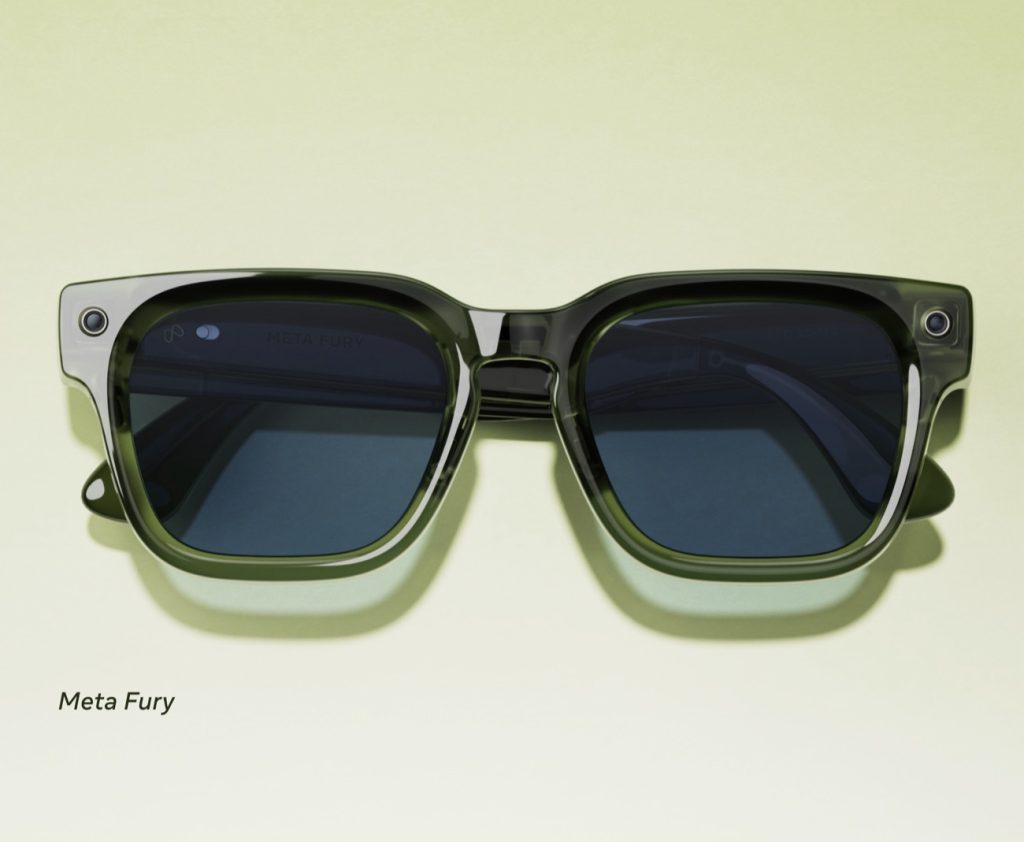
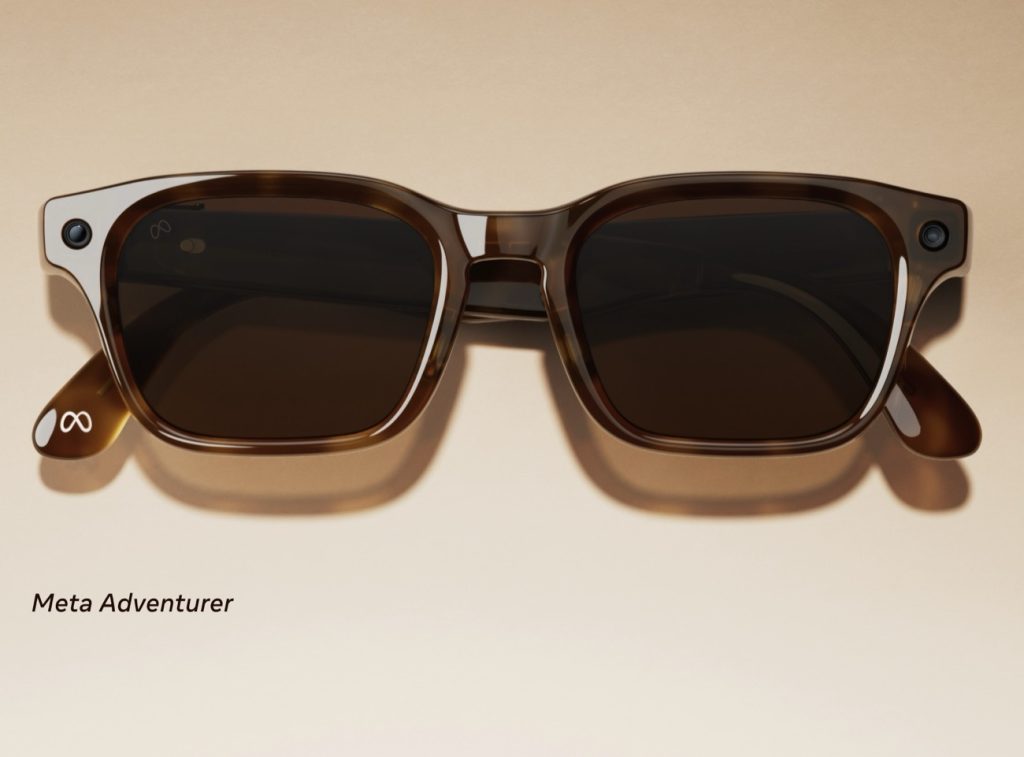
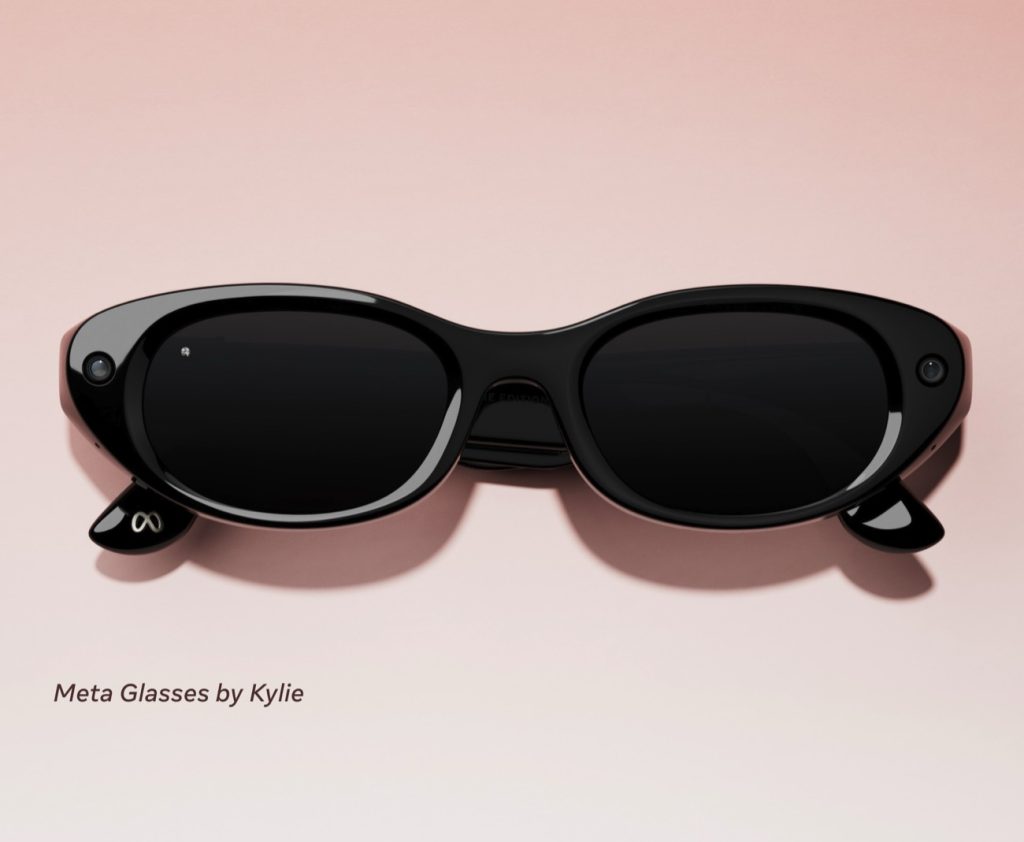
The Meta Adventurer and Meta Fury models are priced at $299, which is about $80 less than the second-generation Ray-Ban Meta Wayfarer model announced last year. Meta is also introducing Meta Glasses by Kylie, a $399 model designed in collaboration with Kylie Jenner.
Meta Glasses are launching with 26 styles across a range of colors, lenses, and frames. The lineup includes three frame styles: Meta Adventurer, Meta Fury, and Meta Glasses by Kylie.
Meta Adventurer has a clean rectangular design and is available in standard and large sizes. Meta Fury has a bolder, thicker square frame. Meta Glasses by Kylie is a slim oval frame designed in collaboration with Kylie Jenner and inspired by her personal style.
The Kylie Jenner model is one of the more fashion-focused parts of the launch. The glasses have a Y2K-inspired look and include distinctive design touches such as a small gemstone detail, a metal nose pad designed to avoid absorbing makeup, and a special case with a built-in mirror. The model also includes custom sounds and an AI-generated version of Kylie Jenner’s voice for Meta AI.
The new Meta Glasses include adjustable nose pads, adjustable temple tips, and overextension hinges designed to improve fit and comfort. The nose pads can be clicked into three positions, and the temple tips include a wire that lets them be adjusted to fit different face shapes. The overextension hinges help the glasses fit more comfortably on wider faces.
The glasses support a wide prescription range, from -12 to +2.25, though stronger prescriptions may require a visit to an optometrist.
The hardware is largely similar to the recently released Ray-Ban Meta Gen 2 glasses. The glasses can capture 12-megapixel photos and 3K video, and they include speakers in the arms for calls, music, podcasts, and audiobooks. They also feature an advanced multi-mic array with wind noise reduction for voice control, calls, and messaging.
A dedicated action button lets users quickly invoke Meta AI or customize the button to launch a favorite feature. Users can also press a button on the arm to take a photo or long-press to record video.
Meta said the glasses offer more than eight hours of battery life on a single charge. The included charging case provides up to 40 additional hours of battery life. Meta is also selling a new Meta Glasses Charging Stand, which works with Ray-Ban Meta, Oakley Meta HSTN, and Meta Glasses models.
Meta Glasses are the company’s first AI glasses to launch with Meta AI powered by Muse Spark from day one. Muse Spark is the first model from Meta Superintelligence Labs and powers a rebuilt Meta AI experience with enhanced multimodal capabilities.
With Muse Spark, Meta said its AI glasses can provide smarter answers, better understand what users are seeing, and help manage daily tasks hands-free. The AI can answer questions about topics such as sports scores and local restaurant recommendations, while also supporting routines, calendar management, and busy schedules.
Meta is also adding new software features across its AI glasses portfolio. Dynamic photo is a new feature that automatically captures multiple frames and recommends the best shot while still letting users choose their favorite. Pedestrian navigation is also coming soon for displayless glasses, adding turn-by-turn directions. Live translation is adding support for 14 new languages, including Japanese, Mandarin Chinese, Hindi, and Korean.
Meta said Muse Spark is also now available on Ray-Ban Meta and Oakley Meta glasses in the U.S. and Canada.
Privacy remains a key issue around smart glasses. Meta Glasses include an LED indicator that shows when photos or videos are being captured. Meta executives said the company uses tamper-detection technology that can block camera access if someone attempts to interfere with the indicator. The company has also said it has no plans for facial recognition in the new glasses.
Meta executives acknowledged that privacy norms and policies around camera-enabled smart glasses are still developing. The company said it is working on stronger protections and wants to help establish a consistent approach to the use of smart glasses in public spaces.
Several reports noted that Meta is leaning heavily into AI as a key use case for smart glasses. The company believes glasses are an ideal form factor for AI because they can see what the user sees, reducing the need to manually provide context through photos, documents, or search queries.
Meta Glasses are available starting today through Meta.com, Best Buy, Amazon, LensCrafters, Sunglass Hut, and other select retailers. Customers can also visit a Meta Lab or check in-store availability through product pages for the specific styles.
The launch comes as competition in smart glasses is intensifying. Meta is positioning the new glasses as a more accessible and customizable option than premium-branded models, while also aiming to address comfort, prescription support, fit, and style. The company’s broader goal is to get AI glasses onto more faces and make them a more common everyday device.