

Clubfoot is one of the most common birth defects in the world, affecting roughly 200,000 children every year. It’s also one of the most treatable defects, often corrected without surgery for around $500. In wealthy countries, it’s caught early and fixed so routinely that most people never see its lasting effects. But most children born with clubfoot are in low- and middle-income countries, where that care often never arrives, and a treatable condition becomes a lifetime of pain and exclusion. MiracleFeet works to close that gap, partnering with local healthcare providers to bring the low-cost, nonsurgical standard of care to the children who need it. Pulse 2.0 spoke with MiracleFeet CEO Daphne Sorensen to learn more.
Daphne Sorensen’s Background
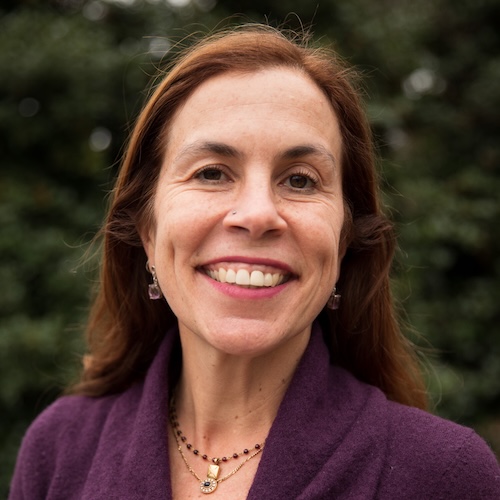
Could you tell us a bit about your background and what led you to your current role at MiracleFeet? Sorensen said:
“My career has been shaped by a longstanding interest in health, equity, and the systems that determine who has access to care, and who does not. At the heart of that interest is a deep love for children and a belief that where a child is born should never determine whether or not they receive the health care they need and deserve.”
“I began working in this field when I was 21, shortly after completing my undergraduate degree. In 1997, I moved to Uganda, arriving with enthusiasm but very little real understanding. Although I had grown up across cultures — born in Brazil and also living in Venezuela and England before eventually moving to the United States — being in East Africa showed me how little I actually knew of the world. That experience was profoundly formative. I quickly realized how much I didn’t know, and that awareness, humbling as it was, taught me the importance of listening, learning, and approaching this work with respect and curiosity.”
“What ultimately drew me to MiracleFeet was the powerful combination of urgency and solvability. Clubfoot is a condition that can be treated in infancy, inexpensively, and without surgery, yet far too many children around the world still do not receive timely care. That gap between what is medically possible and what many children actually experience is what makes this work so meaningful to me.”
“When a child receives treatment early, the impact is life‑changing. They are spared years of pain, stigma, and exclusion, and instead are able to walk, run, explore, play, and fully enjoy an active childhood. Being part of an organization that helps ensure children have that chance to move freely and grow up healthy is what makes leading MiracleFeet such a privilege.”
Role At MiracleFeet
How did you first become involved with MiracleFeet, and what are your primary responsibilities as CEO? Sorensen shared:
“I joined MiracleFeet in 2020, drawn by both the scale of the need and the clarity of the mission. In a complex global health landscape, MiracleFeet’s mission stands out because clubfoot is a problem we know how to solve. An effective medical intervention called the Ponseti method already exists. It is simple, inexpensive, highly successful, and well suited for low-resource settings. Importantly, it is the same gold‑standard treatment used in countries with advanced health systems, making equity in care truly achievable.”
“My primary responsibility as CEO is to help lead MiracleFeet toward a world where no child lives with a disability caused by untreated clubfoot. That means setting organizational strategy, leading and supporting a strong senior leadership team, raising funds and stewarding donor relationships, and helping connect partners, governments, and advocates working to integrate clubfoot care into broader maternal and child health efforts.”
“The role is both deeply strategic and highly relational. I spend a great deal of time listening, building partnerships, and staying connected to the realities of the work firsthand — whether visiting programs in places like Morocco, Philippines and Guatemala or meeting with donors and supporters across Europe and the United States. I also try to stay closely connected to the people behind the work and the children and families at the center of it.”
Memorable Experience
What has been one of your most meaningful or memorable experiences working with MiracleFeet so far? Sorensen reflected:
“The most meaningful moments are always the ones that bring you back to the humans behind the work – the physiotherapists who expertly cast little feet, the community health workers who support families through treatment, and of course the parents and children whose lives are the most changed. It is one thing to talk in broad terms about access to care, systems, and equity, but it’s another to see what timely treatment actually means for children and their families.”
“One moment that has stayed with me is meeting a little boy named Raes who began treatment in Uganda in 2020 at just three weeks old. His family was amazed to see that, after just five weeks of casting with the Ponseti method, his feet were transformed. Raes diligently wore his brace and attended follow-up appointments over the next several years, and last year he had his final clinic visit. Today he’s walking confidently on two straight feet. I had the opportunity to see Raes during visits to Uganda in both 2022 and 2023, and watching him run and move so freely was incredibly moving. Seeing children like Raes walking confidently is, quite simply, what we do this for. His journey represents the future MiracleFeet envisions for every child born with clubfoot: treatment that begins early, continues with consistent care, and concludes with full mobility and a bright future.”
“Experiences like Raes’s resonate even more deeply because of what I learned early in my career about how communities care for children. When I first moved to Uganda in 1997, I lived for a time with a family in a village and was initially confused about which children belonged to which parents. The children all referred to their aunts as “mom,” because, as I ultimately came to realize, they are all family, all looking out for each other. That understanding stayed with me. It might sound cliché but it truly does take a village to raise a child, and that perspective shapes how I think about clubfoot care. Treatment succeeds not just because of a medical method, but because parents, extended family members, health workers, and communities come together around a child’s well‑being.”
Mission Of Miracle Feet
For those who may be unfamiliar, can you explain MiracleFeet’s mission and how the organization works to expand access to clubfoot treatment globally? Sorensen explained:
“Our mission is rooted in a simple but powerful reality: clubfoot can be treated effectively when it is identified early, yet many children still do not receive care as infants or at all.”
“MiracleFeet is changing that by making treatment accessible, sustainable, and integrated into existing health systems. We don’t believe the answer is to create vertical, standalone treatment centers focused only on clubfoot. That would be completely dependent on external funding, and it wouldn’t be integrated with the other things newborns need, like vaccinations, wellness checks, and other essential services.”
“What matters to us is not just whether treatment exists in theory, but whether families can actually reach it in time. That means training providers to identify the condition at birth, enrolling babies in treatment, and supporting families through care. Our goal is to give all children diagnosed with clubfoot the chance to walk, run, play, and participate fully in life.”
“It is a very direct way of improving a child’s well-being, but it also speaks to much larger questions about inclusion, dignity, and equity.”
Biggest Challenges
What are some of the biggest challenges facing children with clubfoot and the families trying to access treatment today? Sorensen acknowledged:
“One of the biggest challenges is access. In some places, treatment is available and families can find the care they need for their child before they even learn to walk. In other areas, families never find care either because they don’t know where to look or who to ask, or because the stigma surrounding clubfoot can be so severe that parents feel too ashamed to seek help.”
“In many contexts, mothers are blamed when a baby is born with clubfoot. That blame can come from husbands, extended family, or the community, and in some cases women are even abandoned or forced out of their homes. The barriers families face are not just medical. They include deeply rooted cultural norms, gender inequities, and power dynamics that shape decisions from the very beginning.”
“There are also practical obstacles: lack of awareness, delayed diagnosis, and the broader reality that health systems are often too weak or unstable to support caring for congenital conditions like clubfoot. As a result, a child’s future can be profoundly influenced by where they are born or whether the right support is available at the right moment.”
“That’s why our work is not only about treating a medical condition, but about improving a child’s health, dignity, sense of possibility, and supporting families so they are not navigating these challenges alone.’
Broader Challenges In The Global Health Landscape
Have there been any broader challenges in the global health or nonprofit landscape recently that have affected your work, and how has MiracleFeet responded? Sorensen pointed out:
“Like many organizations in global health, we are working in a more complex and constrained environment than we were even a few years ago. There is intense competition for attention and resources, and many organizations are being asked to do more in the face of broader uncertainty across the sector.”
“At the same time, the needs on the ground do not pause simply because the operating environment becomes more difficult. Our response has been to stay focused on what matters most: strong partnerships, quality care delivery, and a model centered on real outcomes for children and families.”
“We recognize that MiracleFeet does not work in isolation. Clubfoot care depends on the strength of the broader health system, particularly at a time when aid is declining and budgets are under pressure. Treating one condition is most effective when children also have access to essential health services, which is why our commitment to clubfoot care goes hand in hand with supporting inclusive, resilient health systems—especially for the most vulnerable families.”
“Children with treatable disabilities often still fall outside the center of global-health conversations, even though the consequences of delayed care are profound. So part of our work is operational, but part of it is also about continuing to broaden the dialogue to ensure children with clubfoot are prioritized and not left at the margins of public attention.”
Evolution Of The Organization’s Model
How has MiracleFeet’s model or approach evolved over time as the organization has grown? Sorensen described:
“As MiracleFeet has grown, our approach has become increasingly focused on what it really takes to make treatment accessible at scale. It is not enough to know that an intervention works; it has to be broadly applied, widely accepted, and administered by trained, trusted providers. The Ponseti method is also highly teachable, which makes it possible to expand access through trained providers embedded within public health systems rather than relying only on specialists. That reality has pushed us to think not just about treatment itself, but about the broader systems that make treatment possible.”
“Some of this perspective comes from my early work in Mozambique, where I saw how much global health depends on community‑based providers, primarily women, whose labor and expertise were expected but rarely financially supported. While there has thankfully been progress since then, those frontline workers remain central to identifying children with clubfoot and connecting families to care. Supporting them properly is not optional; it’s foundational to sustainable impact.”
“That belief underpins MiracleFeet’s systems‑oriented approach today. By integrating clubfoot treatment into national health systems and advocating for greater inclusion of congenital conditions in global health policies, we’re working to ensure care reaches the children who need it most. This work may be less visible from the outside, but it’s essential if the goal is lasting, widespread impact and not just isolated success stories.”
Significant Milestones
What have been some of MiracleFeet’s most important milestones to date? Sorensen cited:
“In just 16 years, MiracleFeet’s partners have enrolled more than 131,000 children in treatment. We’ve gone from supporting a single partnership in Brazil to a global organization working with over 50 partners across 39 countries, supported by a dedicated team of 50 staff. This scale reflects both the global need and the strength of our partner‑driven model.”
“It also represents our ability to consistently demonstrate extraordinary return on a relatively modest investment. With treatment averaging just $500 per child, timely intervention can completely change the trajectory of a child’s life.”
“We’ve also become quite involved with high‑level advocacy efforts with the World Health Organization and are active members of the Global Action for Congenital Conditions, a coalition working to ensure birth defects are prioritized in global health policy.”
Examples Of Impact
Are there any stories or examples that illustrate the impact MiracleFeet has had on children, families, or communities? Sorensen highlighted:
“For a child, treatment can mean the difference between persistent limitation and the ability to walk, run, play, and participate more fully in school and community life. For families, it can mean relief, hope, and a very different sense of what is possible for their child’s future.”
“One example that comes to mind is a mother I met while visiting our program in Ecuador. Carolina, an outgoing woman, told me about having no one to turn to when her son Zoar was born with clubfoot in Venezuela. The health system had collapsed, there were no available health services, no doctors. Carolina faced a heartbreaking reality: the only way to ensure her son could walk was to leave her home country. A friend told her about a clinic in Quito, Ecuador where he could receive free care. So she left, on foot with her toddler on her back and her elderly mother by her side, and walked 1,500 miles from Caracas to Quito, where Zoar began treatment. After a few plaster casts and a foot abduction brace (that’s it!), Zoar was able to walk and run. No parent should have to go to such lengths for something as ubiquitous and inexpensive as treatment for clubfoot.”
Growth And Scale
To the extent you’re able to share, how does MiracleFeet think about growth, scale, and the resources needed to expand its impact? Sorensen detailed:
“We think about scale in terms of reach, sustainability, and systems strength. This means considering how many children can be served in the short term while making sure quality treatment is available consistently, earlier, and more durably across different geographies settings over time.”
“That takes funding, of course, but it also takes partnership, health-system integration, local capacity, and a continued commitment to making treatment accessible in practice, not just in principle.”
“We also think about growth in a way that is closely tied to impact. When an intervention is proven and the need is significant, scale becomes more about closing the gap between what is possible medically and what children and families are actually experiencing. This goes far beyond what we might traditionally think about scale (in terms of expansion for its own sake).”
Size Of The Need Globally
How large is the need globally for clubfoot treatment, and how do you think about the broader opportunity to close that gap? Sorensen assessed:
“The need is significant but we’re making remarkable progress. An estimated 200,000 children are born with clubfoot each year, which helps illustrate both the scale of the issue and the size of the opportunity to do more. In the U.S. and other high-income countries, children with clubfoot are identified in utero and treated early. That is not the case in lower-resources settings.”
“I also think about this gap in very personal terms. Years ago, while living in northern Mozambique and pregnant with my daughter, I became seriously ill with malaria. I had the resources and privilege to be evacuated to a hospital where I could receive care that literally saved my life and my daughter’s. What stayed with me most from that experience is the contrast between the care that was available to me and what most families depended on every day.”
“When you step back and consider what timely treatment can mean for mobility, education, participation, and long-term opportunity, the importance of closing that gap becomes very clear.”
“We think about the opportunity in terms of treatment numbers, and in terms of the broader life outcomes at stake. Clubfoot may sound narrow to people unfamiliar with it, but the effects of leaving it untreated are not narrow at all. They can shape a child’s daily life, confidence, ability to participate, and future opportunities. That is why closing the access gap is both a public-health issue and a human-potential issue.”
Differentiation
What differentiates MiracleFeet’s approach from other organizations working in global health or child disability? Sorensen affirmed:
“MiracleFeet focuses on a single condition that is highly treatable, while recognizing that its impact on children, families, and communities is far-reaching.”
“We are laser focused on clubfoot, but we don’t think of it as an isolated issue. Clubfoot affects a newborn in the same way other things affect newborns, and it affects families in the same way other health conditions do. That is why integration matters so much.”
“Just as a child’s journey unfolds step by step, MiracleFeet’s mission has grown and strengthened over time. Our work is grounded in the belief that effective care depends on more than awareness alone. It requires timely diagnosis, treatment, follow-up, and stronger integration into health systems so families can actually reach care in time.”
“I also think what makes MiracleFeet distinctive is the way we connect this issue to larger questions of equity, dignity, and opportunity. Clubfoot treatment is not just about correcting a condition. It is about helping ensure that children are able to move through life with greater freedom, participation, and possibility. That makes this work both very concrete and deeply connected to broader global-health goals.”
Goals For The Future
What are some of MiracleFeet’s key priorities or goals for the future? Sorensen concluded:
“Looking ahead, MiracleFeet’s priorities are to expand into new geographies, further embed clubfoot care into national health systems, and ensure clubfoot is recognized across maternal and newborn health, child health, disability inclusion, and child rights agendas.”
“At the core of that work is a simple goal: making effective clubfoot treatment a standard part of newborn care. Real success means building systems that can sustain this care over time—so that countries are able to carry the work forward themselves, long after MiracleFeet’s direct involvement ends.”
“Experience has shown me that progress only lasts if it’s grounded locally and built to endure. Clinics, programs, and services must be resilient to shocks—whether conflict, climate events, or economic strain—if they are truly going to serve families who depend on them.”
“In many high-income countries, untreated clubfoot is now relatively rare because babies are identified early and routinely connected to care. That is ultimately the future we hope to help build globally as well: a world where the Ponseti method is simply part of standard newborn care everywhere, and where organizations like MiracleFeet are no longer needed to bridge that gap.”
“Ultimately, our aim is to help create a world where being born with clubfoot no longer determines a child’s future. When care is timely, accessible, and durable, thousands of children can grow up walking freely—and with the chance to shape their own lives with confidence and hope.”
