

Naptick is an AI-powered sleep companion focused on helping people improve the transition into sleep. The sleep technology company combines behavioral insight, adaptive content, personalized coaching, and a bedside hardware device designed to help users improve rest, recovery, and nighttime well-being. Pulse 2.0 interviewed Naptick Founder and CEO Anubhab Goel to learn more about the company’s origins, its AI sleep coaching technology, and its ambitions in the U.S. sleep and recovery market.
Anubhab Goel’s Background

When asked about his background, Goel shared:
I’m Anubhab Goel, founder and CEO of Naptick. I have been building companies in India for over a decade. Naptick is my third startup.
The first two were in consumer tech and HR tech. In both startups, we created a new category, raised capital, scaled, and eventually exited the companies.
What’s different this time is that Naptick is the first consumer hardware company I’ve built, and we’re going to market in the U.S. first, both new muscles for me.
I think founders romanticize hardware until they actually ship it. It’s been the most humbling and the most rewarding thing I’ve worked on.
How Naptick Started
When asked how the idea for Naptick came together, Goel explained:
Sleep was personal before it was a company.
I went through a stretch where my own sleep fell apart, too many time zones, too much screen time, two startups deep into founder mode, and something obvious clicked: there’s a massive industry around sleep, but almost everything in it either tracks how badly you slept, sells you a mattress, or sells you a pill.
Nothing actually coaches you the way a real sleep specialist would.
That gap is what Naptick is built around.
We started with one question: what if there were a presence on your nightstand that knew you, listened to you, and helped you sleep better night after night, not through an app you have to remember to open, but through a voice you can talk to in the dark?
Everything we’ve built comes back to that.
Users always want a frictionless experience. Press a button on DoorDash, food is here. Press a button on Uber, your ride is here. If one has to build a button to fall asleep faster, that’s Naptick.
Favorite Memory
When asked about his favorite memory working for the company, Goel recalled:
The first unsolicited message from a beta user.
She was our user in Texas. It was the first time in years she’d slept within 15 minutes of hitting the bed.
I’ve shipped a lot of software, and the loop between “user opens app” and “user feels something” is usually long.
With this, someone went to sleep and woke up better.
That moment justified the hardware bills, the late-night calls with our manufacturing partners, and securing all the necessary certifications.
Core Products And Features
When asked about Naptick’s core products and features, Goel detailed:
We would build new interfaces using sleep as the anchor and the bedroom as the real estate.
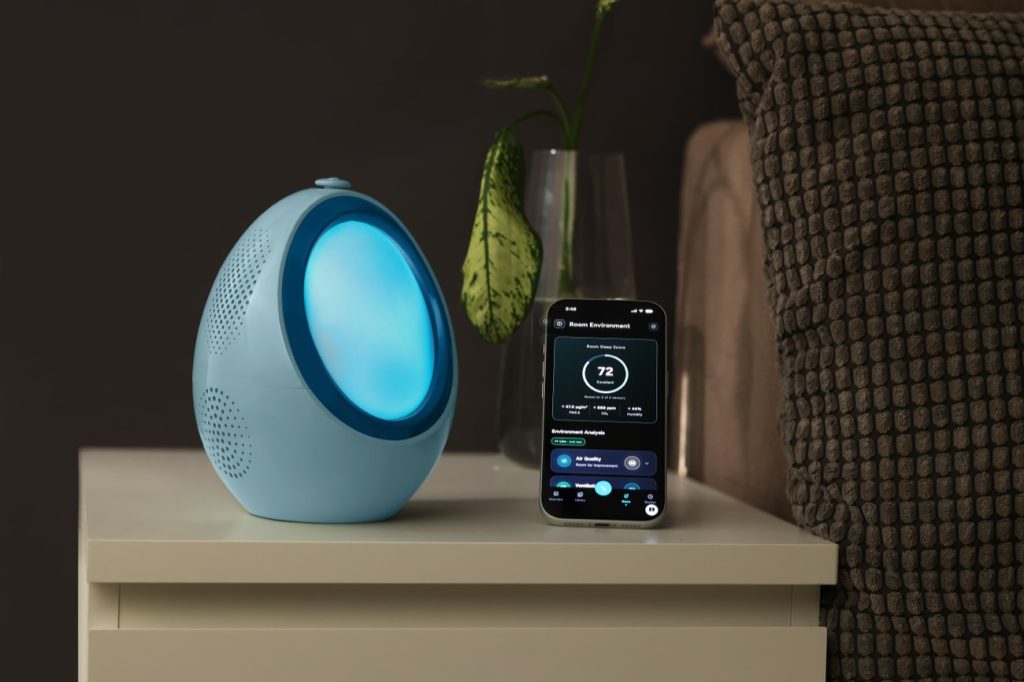
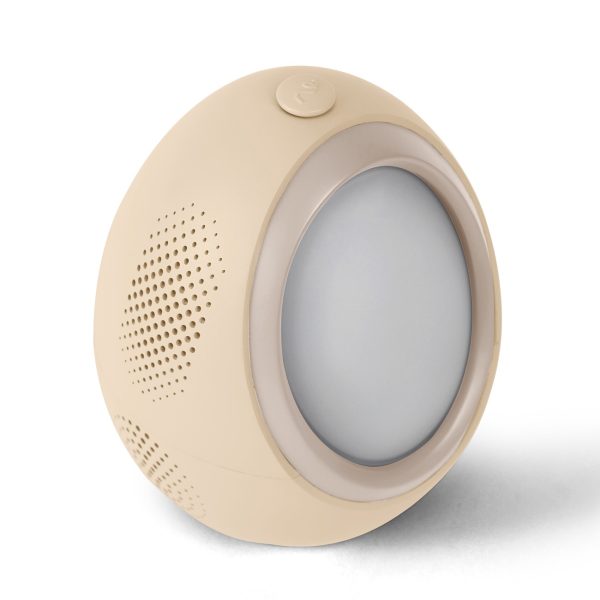
Naptick’s first product is a bedside hardware device with an embedded voice assistant. Think of it as an AI sleep coach that lives next to your bed.
You talk to it. It learns your patterns, your stressors, your wind-down routine.
It guides you through the evening with personalized interventions, breathing protocols, cognitive techniques, soundscapes, and in the morning it explains your sleep in language you can actually act on.
It’s a hardware-plus-subscription model.
The device is priced as a premium product because we’ve engineered it that way: the microphone array, the on-device intelligence, the sensors, and the music library.
The subscription is where the coaching gets smarter about you over time.
Building Consumer Sleep Hardware
When asked about challenges Naptick has faced, Goel identified three:
Three big ones.
First, building consumer hardware is a logistical challenge I underestimated, involving the supply chain, certifications, returns, and support.
Second, the health and wellness space is loud. Every other ad promises better sleep.
So earning trust takes longer than in fintech or SaaS. We have to over-deliver on the actual outcome before we scale paid meaningfully.
That’s shaped how we’re thinking about ICP and Meta targeting: narrower, more psychographic, more proof-heavy.
Third, and this is the founder lesson, hardware doesn’t iterate like software.
You get fewer shots, so the bar for user research before each generation has to be much higher than I was used to.
How The Technology Has Evolved
When asked how Naptick’s technology has evolved, Goel said:
A lot. It’s probably the first time hardware is being built in such a modular manner.
We now have five PCBs and perform extensive processing on the cloud.
When we started, the voice stack was a different beast: latencies were higher, on-device models were thinner, and personalization meant rules, not learning.
In the last couple of years, the underlying AI capability has compounded fast enough that we’ve been able to push real coaching intelligence closer to the edge, faster response, better privacy, more intimate experience.
The coaching layer itself has matured too. We’ve gone from scripted protocols to genuinely adaptive ones that respond to what the user is going through that week.
Key Company Milestones
When asked about some of Naptick’s most significant milestones, Goel highlighted:
Getting the license for sound libraries with more than 1,000 sleep-oriented tracks, shipping the first set of units to users with all certifications, and building the UGC content engine at scale.
The agency’s ability to execute so fast has been the most significant for me.
Funding
When asked about funding, Goel shared:
We raised an undisclosed pre-seed round in November.
We will start the process for our seed round in the next few days. We have already started getting commitments from angel investors.
Competitive Differentiation
When asked what differentiates Naptick from its competition, Goel identified three areas:
Three things, in order.
First, voice and hardware as the interface. We’re not asking you to open an app at 11 p.m. when you’re already overstimulated. The product is next to you, ambiently.
Second, coaching over tracking. Most of the category measures your sleep; we change it. Trackers are a feature for us, not the product.
Third, the depth of personalization that comes from a device that actually knows you and adapts in an agentic manner.
The combination is what’s hard to copy.
Future Goals
When asked about Naptick’s future goals, Goel explained:
Near-term: nail the U.S. launch, get our paid acquisition to a place where it’s repeatable, and see our retention curves flatten where we want them to.
Medium-term: expand the coaching surface beyond sleep into recovery, stress, and circadian health, because once you have a trusted presence on someone’s nightstand, sleep is just the wedge.
Long-term: I’d like Naptick to be the default category answer for AI-driven sleep and recovery, the way a few brands own fitness or meditation today.
Building Through Customer Feedback
When invited to discuss another topic, Goel concluded:
Just gratitude. We’re early, we’re learning, and we’re moving fast.
Anyone reading this who has thoughts on the product, has a good sleep horror story to share, or is interested in co-marketing partnerships in the U.S., please reach out.
Some of the best things that have happened to this company started as a cold message.
