

One iota develops retail technology that connects digital and physical shopping experiences through endless aisle solutions, in-store applications, and tools that give store teams access to inventory across multiple locations. Pulse 2.0 interviewed One iota CEO Joe Till to learn more.
Joe Till’s Background

When asked about his background and experience across technology and retail, Till shared:
My background has largely sat somewhere between technology and retail. Early in my career, I worked in a technology business that served a mix of sectors, including retail, utilities, and healthcare, so I had exposure to lots of different types of organizations. The point where things really shifted toward retail was when I joined One iota for the first time. That was the first role where I was working entirely within retail technology. I joined as Head of Sales, which was essentially a business development role focused on helping retailers think about how digital tools could support their stores and e-commerce operations.
It was an interesting moment to join because the business was evolving fast, and the industry itself was starting to think seriously about omnichannel retail. A lot of the conversations we were having then are now completely mainstream.
How One iota Started
When discussing how the idea for One iota came together, Till explained:
The original idea really came from Damian Hanson and David Hague, the founders. Before starting One iota, they both worked at a company called 2ergo, which was one of the earlier innovators in mobile apps. When that business changed direction, they saw an opportunity to build something themselves in retail technology.
What they recognized quite early was that retail and ecommerce were being run almost like separate worlds. Stores had their own systems, ecommerce had its own solutions, and the two didn’t always talk to each other particularly well. The idea behind One iota was to create technology that connected those experiences.
One of the early platforms they built, called MESH, powered JD Sports’ multichannel operations. It connected websites, in-store kiosks, and endless aisle experiences so customers could access stock from across the business rather than just what happened to be on a shelf in front of them. At the time, that was very forward-thinking.
Seeing The Technology In Stores
When asked about his favorite memories from working at One iota, Till reflected:
Some of the best moments come from seeing the technology actually being used in stores. You can spend months building something behind a laptop, but when you walk into a shop and see a store colleague using a kiosk or a customer engaging with an endless aisle solution to find something that isn’t on the shop floor, it suddenly becomes very real.
There’s also something quite rewarding about working with retailers over long periods of time. When you’ve helped a brand improve how it serves customers, and you see that relationship continue year after year, it’s a really good feeling.
Core Products And Features
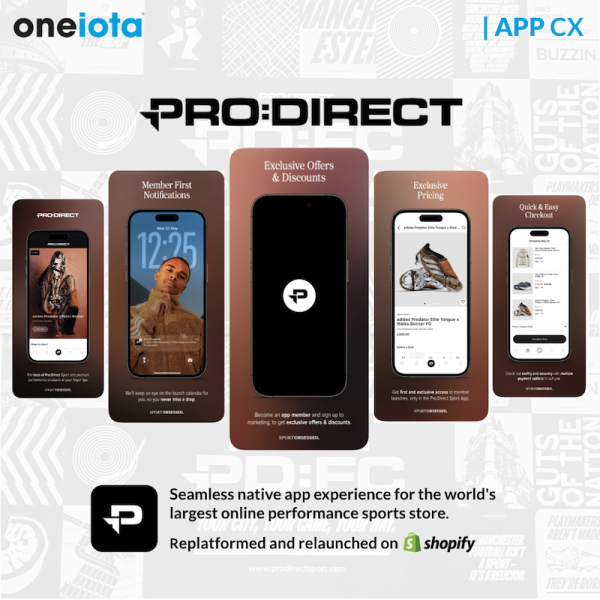
When describing One iota’s core products and features, Till outlined:
At a high level, the company focuses on technology that helps retailers connect their digital and physical experiences. That includes things like endless aisle solutions, a phrase we were the first to coin, digital in-store applications, and tools that allow store teams to access inventory across different locations.
The aim is pretty simple. Customers should be able to access the full range of a retailer’s products regardless of whether they are shopping online or standing in a store. If the technology can make that experience easier and faster, then it’s doing its job.
Retail Technology Challenges
When asked about recent challenges in the retail technology sector, Till observed:
Retail technology moves incredibly quickly, and that brings its own challenges. Retailers are constantly evolving their technology stacks, and expectations from consumers are rising all the time. We’ve got agentic and LLM shopping, the blurring of online and offline shopping, and the rise of community and a more emotional relationship with brands.
Customers expect things to be fast, simple, and consistent across websites, apps, and stores. At the same time, retailers are often juggling multiple platforms and legacy systems. The challenge is finding ways to innovate without creating more complexity for the business behind the scenes.
Technology Evolution
When discussing how One iota’s technology has evolved since launching, Till described:
One of the biggest changes has been the move toward more platform-driven ecosystems. Ten years ago, many retailers were building large bespoke ecommerce platforms. Today, you see a lot more businesses using platforms like Shopify or composable commerce architectures.
That shift means technology needs to be more modular and easier to integrate. Rather than building everything from scratch, the focus is on creating tools that plug into those ecosystems and extend what retailers can do.
Having said that, we’re also seeing the benefits of being app experts and being able to apply this to other industries like finance and banking. Apps are apps, and consumers are consumers, and our expertise means we can link the two together in any sector.
Major Company Milestones
When asked about One iota’s most significant milestones, Till highlighted:
Working with major global retailers has always been a big milestone. Long-term relationships with brands like Hugo Boss, for example, are incredibly valuable because they show that the technology continues to deliver value over time.
Another important milestone has been evolving the product set itself. The business has gradually moved from more bespoke solutions toward a more product-led approach that fits naturally within modern ecommerce ecosystems like the Shopify network.
Growth And Reinvestment
When asked about One iota’s funding and revenue metrics, Till noted:
One iota has grown steadily by focusing on solving real problems for retailers, and with the original founders reinvesting in the business in 2025, it gives us the opportunity to accelerate our growth. The strategy has always been about building long-term partnerships rather than chasing short-term wins, and that approach has served us well.
Retail Technology Market
When discussing the total addressable market One iota is pursuing, Till estimated:
The broader retail technology market is enormous and still growing, with various speculative figures out there reaching up to $500 billion by 2035. Retailers everywhere are investing in better ecommerce platforms, better in-store technology, and better ways of connecting those experiences. We’re spending more online, and channels like social are growing. But that doesn’t mean brick-and-mortar retail is over. As shopping continues to blend digital and physical experiences, the demand for technology that supports that connection will only increase.
One iota’s Differentiators
When asked what differentiates One iota from its competition, Till emphasized:
A lot of the difference comes from experience. The team has spent years working closely with retailers and understanding how stores actually operate. That practical perspective shapes how the technology is designed.
It’s one thing to build a piece of software that works in theory, but retail environments are busy and unpredictable. Technology has to fit naturally into those environments rather than slow them down. The fact that we’ve been doing this for so many years means we’ve seen everything, dealt with every problem, and have a solution for everything.
Future Goals
When discussing One iota’s future goals, Till concluded:
The focus now is on continuing to simplify retail technology. Commerce is becoming more complex with more channels, more platforms, and more customer expectations. Yet at its core, it’s about helping retailers sell more products that consumers want in their lives.
Our goal is to help retailers navigate that complexity while delivering better experiences for customers. If the technology can quietly remove friction and make things easier for both retailers and shoppers, then we’re doing something worthwhile.
