

Pepper is the technology partner for food distributors. And its AI-first platform helps distributors grow revenue and boost productivity across ordering, sales, marketing, accounts receivable, and other core operating functions. Pulse 2.0 interviewed Pepper co-founder and CEO Bowie Cheung about the company’s origins and growth.
Bowie Cheung’s Background

Could you tell me more about your background? Cheung said:
“The team at Pepper has deep industry and vertical market experience, with veterans from top technology companies, like Uber, Google, Procore, and Samsara, and foodservice veterans who have spent their careers in distribution and are excited about the opportunity ahead.”
“For me, personally, I spent a number of years building, and then scaling, Uber Eats across North America. But even before that, from early jobs working in restaurants, I knew that food distribution was a foundational industry that had been overlooked by the tech community.”
Formation Of The Company
How did the idea for the company come together? Cheung shared:
“While at Uber Eats, we saw firsthand the critical role that independent distributors play in creating a thriving restaurant ecosystem. We also saw a huge gap between the technology investments the biggest distributors like Sysco and US Foods were making versus independent distributors who didn’t have the capacity to do the same. Pepper started out as a way to level the playing field between independents and the ‘big box’ distributors.”
Core Products
What are the company’s core products and features? Cheung explained:
“The platform we’ve built at Pepper supports every critical piece of a distributor’s operation, helping them grow revenue and boost productivity across their business, from ordering and sales to marketing and accounting.”
“Chefs have gotten used to the convenience of ordering online in their daily lives. Salespeople hate the drudgery that eats up their day and keeps them from spending time with customers. Accounting teams are tired of trying to track down payments.”
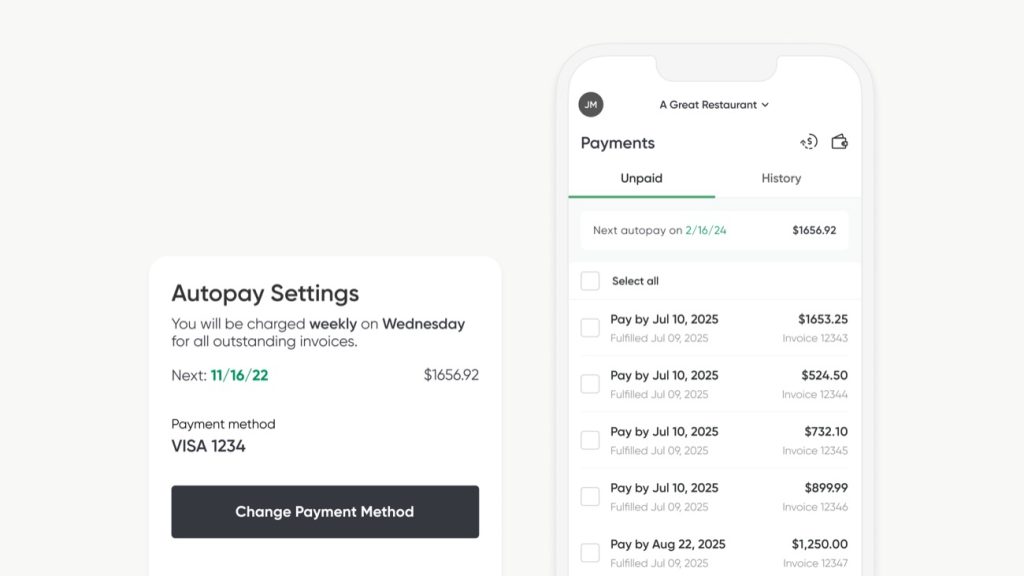
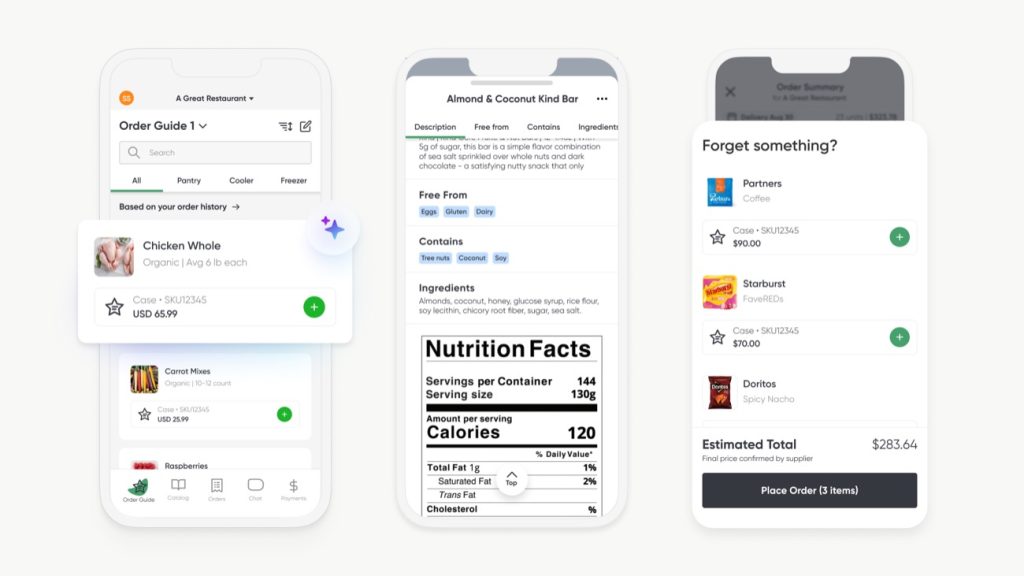
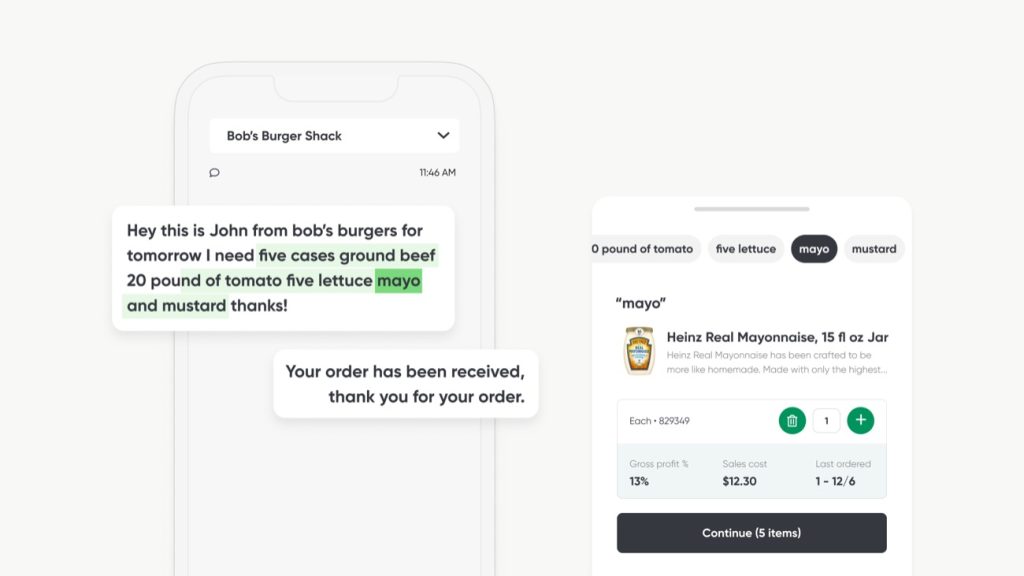
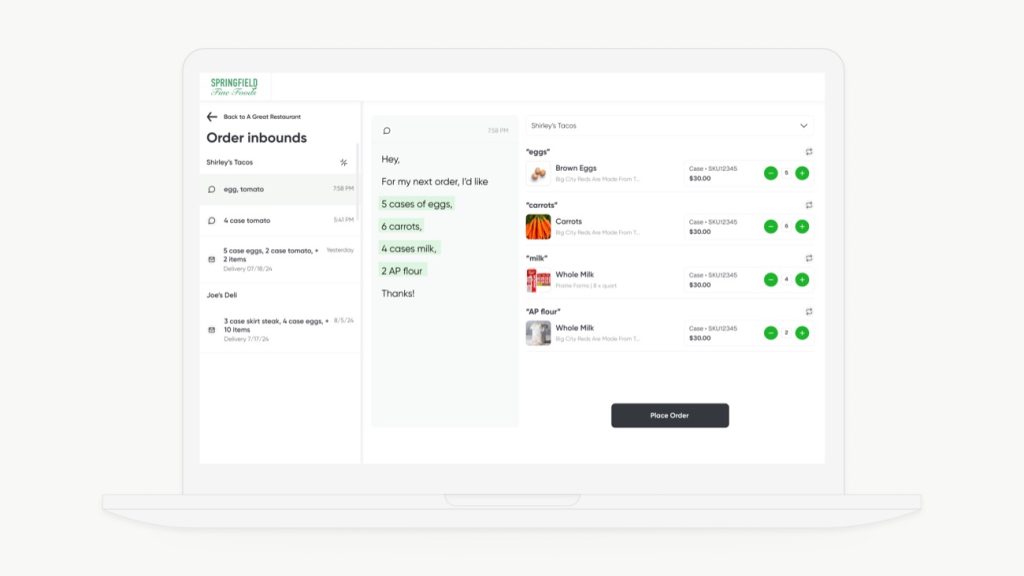
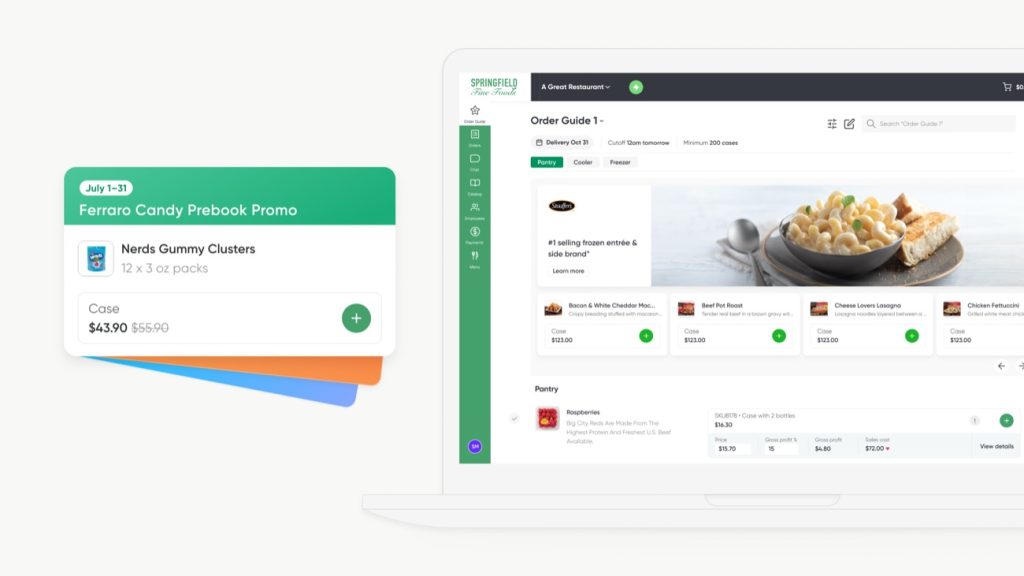
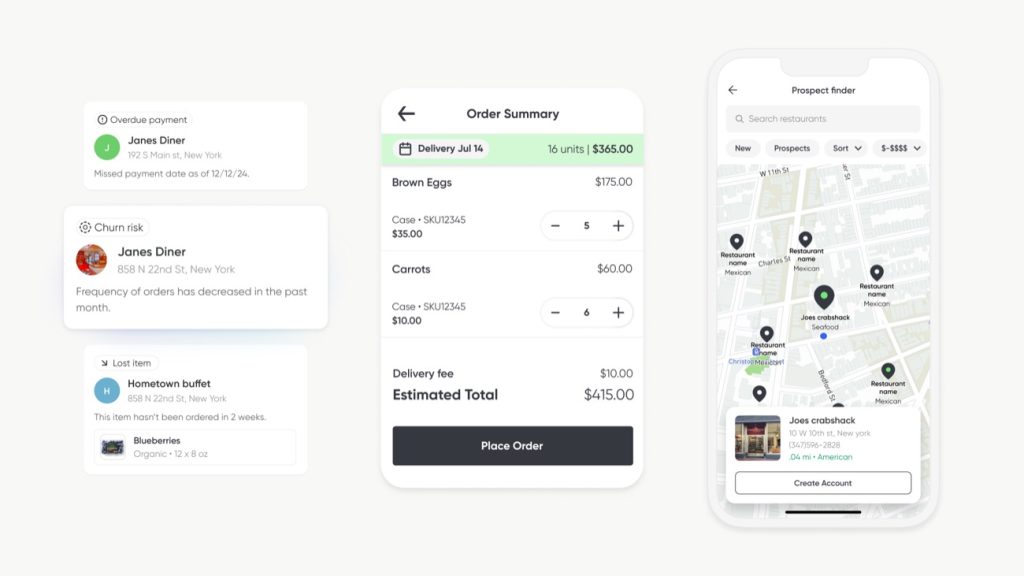
“The products we build at Pepper are anchored in real roles and real departments within a distributor business. Our Storefront provides a consumer-grade ecommerce experience while our Sales Hub gives reps a set of AI-powered tools to help them do things like close new accounts and stay on top of existing business with alerts on buying patterns, churn signals, and upsell suggestions. We’re also shifting tedious manual processes to agentic solutions: Order Agent automates order entry by processing orders in any format—voicemail, email, text, photo, PDF, even handwritten notes—and transforming them into clean digital orders. And our Finance Hub helps distributors streamline accounts receivable and get paid faster with embedded digital payments, next-day payout, and autopay.”
Challenges Faced
Have you faced any challenges in your sector of work recently? Cheung acknowledged:
“One of the great things about building a technology company is that you get to be at the forefront of new technological shifts. The breakneck pace of AI advancement puts us at a unique moment in time where the full scope of what’s possible is still being figured out. This has changed both the ways we’re working internally and the solutions we’re able to build for our customers. It’s a very exciting time, and also no one knows what the playbook looks like. At Pepper, we’re really energized by how quickly we’re able to create features customers are asking for and how much value our customers see by deploying agentic solutions in their businesses.”
Evolution Of The Company’s Technology
How has the company’s technology evolved since launching? Cheung noted:
“It became apparent very early on that there’s a huge roadmap of technology for us to build! The more we dig into distributor businesses and workflows, the more opportunities we find for technology to improve day to day operations. Our first product was an ecommerce solution and we quickly realized that there was demand for so much more. Our customers have been very open about areas of their business they want technology to improve and we’re excited to continue partnering with them on the next products we build.”
Customer Success Stories
Can you share any specific customer success stories? Cheung highlighted:
“Flanagan Foodservice is the largest Canadian-owned foodservice distributor and a Pepper customer. They had previously invested in an online ordering system, but weren’t seeing great results: only 29% of their independent customers were ordering online, which meant more than two-thirds were still ordering manually. As a result, their sales reps were spending too much time taking orders and they faced pressure from competitors who already offered seamless digital ordering.”
“Once they partnered with Pepper, they saw immediate impact. Online ordering adoption jumped from 29% to 62% post-launch, with a target of 80% adoption by year-end. They also saw higher order volumes and customer satisfaction and lower churn.”
“Another customer, Palmer Food Services, was drowning in manual accounting processes due to their legacy payment system. Their team was spending hours processing paper checks, manually triggering credit card payments, managing customer payment plans, and navigating complex state regulations regarding credit card fee processing. Once they implemented Pepper, their customers could order and pay within the same platform and their accounting team saved 20 to 40 hours a week.”
“Across the board, we see our customers’ businesses bring in more revenue and increase their teams’ productivity when they use Pepper. It’s something that we feel very strongly about: building technology that improves day to day operations for our customers.”
Funding/Revenue
Are you able to discuss funding and/or revenue metrics? Cheung revealed:
“We recently announced our $50 million Series C funding, led by Lead Edge Capital, bringing our total capital raised to $100 million. Lead Edge has a world-class track record in vertical SaaS—they were early investors in Toast and Procore. Our existing investors ICONIQ, Index Ventures, Greylock, Harmony Partners, and Interplay also supported the funding round.”
“This funding builds on our existing momentum—since our Series B we’ve more than tripled our customer base and revenues—and, most importantly, enables us to accelerate our mission, doubling down on product investments, customer services, and go-to-market motions.”
Total Addressable Market (TAM)
What total addressable market (TAM) size is the company pursuing? Cheung assessed:
“There are 25,000 independent distributors in North America that service two-thirds of our food consumption. Big-box distributors cover the remaining third: their focus is mass-produced products and big-chain customers.”
“Independents are the opposite of that. They are the backbone of our food supply chain. They are your neighborhood restaurant’s go-to source for the best ingredients, for exciting new products, and for the full-service value independent restaurants rely on.”
“Pepper arms independents with the technology they need to out-execute their competition and thrive in a market with tight margins and ever-increasing customer demands. The collective purchasing power of distributors on Pepper is greater than $30 billion annually, which is exciting but still a drop in the bucket relative to a $1 trillion industry in the US.”
Differentiation From The Competition
What differentiates the company from its competition? Cheung affirmed:
“Our north star is always what do our customers need. We stand behind our product capabilities and are continually investing in our future product roadmap. We believe it’s the most complete offering on the market, and it’s only going to get better.”
“We’ve also taken an AI-first approach to our products. Our products use AI for real-world applications and they work in the field. And within the company, AI is helping us ship products and deliver value faster to our customers.”
“For many distributors, integrations with their existing tech stack are one of the biggest barriers to new technology adoption. Distributors know that implementations are typically over time and over budget. Pepper can actually do it. We’ve successfully integrated with more ERP systems than anyone else: over 70 and counting.”
Future Company Goals
What are some of the company’s future goals? Cheung concluded:
“Pepper’s mission is to reimagine how technology serves independent distributors. We’re building new tools and deepening capabilities to support our customers and their operations. We’re working hard every day to create a platform distributors can rely on to run every critical piece of their business.”
