

Precisis develops innovative, minimally invasive bioelectronic devices and “brain pacemakers” designed to treat neurological conditions, such as drug-resistant epilepsy, by directly targeting the source of the disease. Pulse 2.0 interviewed Precisis CEO Karl Stoklosa to learn more.
Karl Stoklosa’s Background
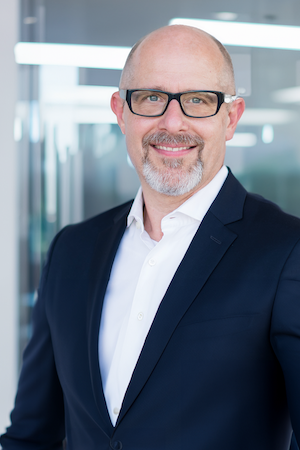
Could you share a bit about your background and what led you into neurotechnology? Stoklosa said:
“My background spans more than 25 years in global marketing, commercial leadership, and medical technology, with a strong focus on bringing complex, innovative healthcare solutions to market on an international scale. I began my career close to the clinical environment, working directly with physicians and patients, which gave me a deep appreciation for unmet medical needs and the real-world impact technology can have on quality of life. Over the years, I’ve led global and regional teams across the U.S., Europe, and Asia Pacific, driving go-to-market strategies, launching breakthrough technologies, and turning around underperforming organizations.”
“A significant part of my career has been in neuromodulation and cardiovascular technologies, including leadership roles in the successful launch of novel pacemaker, CRT, and neurostimulation solutions. What ultimately drew me into neurotechnology was the combination of scientific complexity, meaningful patient impact, and the opportunity for true innovation. Neurological disorders remain one of the largest unmet areas in medicine, and technologies that can offer effective, less invasive, and patient-centered solutions are incredibly compelling. At Precisis, that mission is very tangible—developing neurotechnology that challenges conventional approaches while delivering real benefits to patients’ lives.”
Formation Of The Company
What was the original motivation behind founding PRECISIS and developing a minimally invasive therapy for drug-resistant epilepsy? Stoklosa shared:
“The founding of PRECISIS was deeply inspired by a patient-centered perspective. Angela Liedler, our founder, is a physician herself and witnessed firsthand the challenges patients face with traditional treatments for drug-resistant epilepsy, including invasive surgeries like deep brain stimulation. Her experience highlighted the urgent need for therapies that are not only effective but also less disruptive to patients’ lives. This motivated us to develop EASEE, a neurostimulation system that is minimally invasive, fully reversible, and designed to give patients control over their therapy. Our goal has always been to put the patient first—creating a solution that reduces the burden of treatment while maintaining or even improving clinical outcomes. That vision continues to guide PRECISIS as we work to make epilepsy therapy safer, more precise, and more accessible worldwide.”
FDA IDE Approval
PRECISIS recently received FDA IDE approval for its pivotal U.S. trial. What does this milestone mean for you personally and for the company? Stoklosa explained:
“Receiving FDA IDE approval is a pivotal moment for PRECISIS. Personally, it’s incredibly rewarding to see years of patient-centered innovation reach this stage. Strategically, it positions the company to enter the U.S. market, validate our technology in a pivotal trial, and accelerate global adoption of a minimally invasive therapy that can transform care for patients with drug-resistant epilepsy.”
Real-World Experience
EASEE is already in clinical use in several European countries. How did real-world experience in CE markets shape your U.S. study strategy? Stoklosa pointed out:
“Our real-world experience with EASEE in Europe has been crucial in shaping our U.S. study strategy. We’ve seen that over 80% of patients benefit from the therapy, and these outcomes reinforce the importance of patient empowerment in everything we do. EASEE gives hope and restores independence—something we witness every day through patient experiences. One story that particularly inspires us is from Tim. Diagnosed with epilepsy at just two years old, he suffered approximately 300 seizures per month.”
“After countless setbacks, Tim finally found new hope through the EASEE neuromodulation system. His experience exemplifies the transformative potential of EASEE for individuals with treatment-resistant epilepsy. Experiences like his guide our U.S. strategy, reminding us that our clinical approach must prioritize real-world patient impact as we expand access to this therapy globally.”
Different From Traditional Neurostimulation
What makes the EASEE technology different from traditional neurostimulation or surgical approaches? Stoklosa noted:
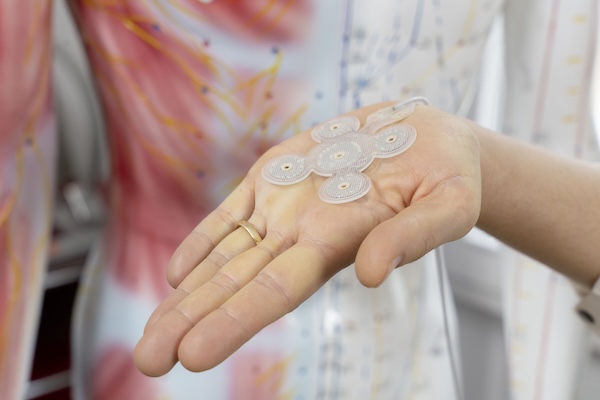
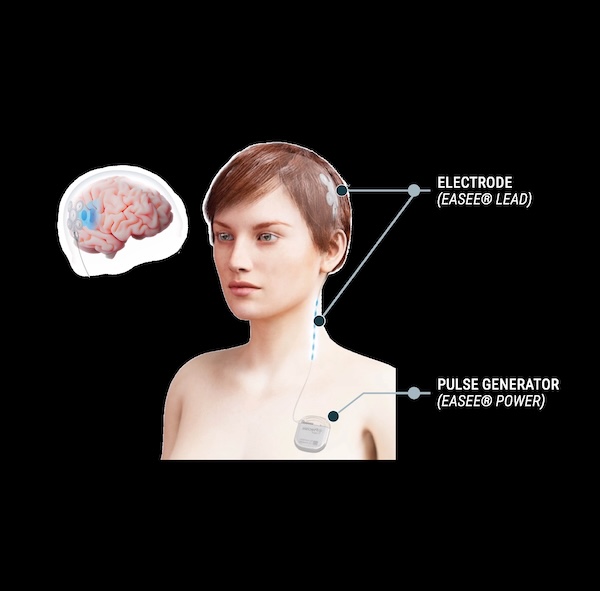
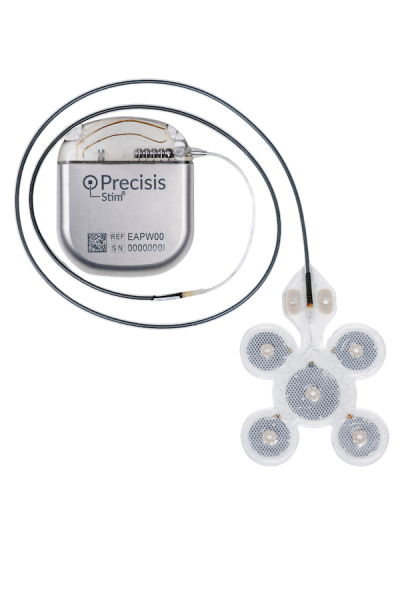
“EASEE stands out because it is minimally invasive and fully reversible, offering a fundamentally different approach from traditional neurostimulation or surgical interventions. The system delivers precise stimulation without touching the brain, which significantly reduces procedural risk and recovery time. At the same time, it empowers patients by giving them control over their therapy and the option to discontinue treatment if needed. Combined with real-world data showing strong efficacy, EASEE represents a safer, patient-centered alternative that maintains or even improves outcomes compared to conventional therapies.”
Challenges
What challenges have you faced in bringing a new class of neurostimulation from Europe to the U.S.? Stoklosa acknowledged:
“The main challenges have been navigating complex regulatory requirements, adapting clinical and operational strategies for the U.S. market, and ensuring that our patient-centered approach scales effectively—all while maintaining rigorous safety and efficacy standards.”
Evolution Of The Company’s Technology
How has the technology evolved since the early concept stage? Stoklosa described:
“Since the early concept stage, EASEE has evolved with a strong focus on quality and reliability. From the very beginning, the electrode was designed to deliver precise, consistent stimulation from outside the skull bone, and we’ve continuously refined the system to ensure robust performance in real-world clinical use. Every iteration has reinforced our commitment to safety, patient control, and dependable therapy outcomes.”
Funding
PRECISIS secured major funding through the European Investment Bank. How does this support the U.S. expansion? Stoklosa revealed:
“Securing funding from the European Investment Bank provides the resources and confidence to accelerate our U.S. expansion. It enables us to scale clinical operations, strengthen regulatory efforts, and bring EASEE to patients across the U.S. more efficiently—while continuing to innovate and maintain the high-quality standards that define PRECISIS.”
Total Addressable Market (TAM)
What is the total addressable market you are targeting in the U.S. and globally? Stoklosa assessed:
“The total addressable market for EASEE in the U.S. and Europe is substantial—approximately €17 billion, covering around 600,000 patients living with drug-resistant focal epilepsy. This underscores both the urgent need for innovative therapies and the global potential for patient impact.”
Patient Stories
Are there specific patient stories from Europe that illustrate the impact of EASEE? Stoklosa highlighted:
“Absolutely. One patient who truly illustrates the impact of EASEE is Ibrahim Soyudogan. He had experienced up to 60 seizures per month since the age of 12 and had spent his entire youth feeling ashamed of being an “epileptic.” Medications provided no relief, so at 18, he received the EASEE system as part of the EASEE II study. Since then, his family reports a remarkable improvement in his condition. He has even been seizure-free since the end of 2020. Ibrahim now approaches life with openness and optimism. Stories like his highlight not just clinical outcomes, but the real, life-changing impact that EASEE can have on patients.”
Differentiation
How does PRECISIS differentiate itself within the neuromodulation space? Stoklosa affirmed:
“PRECISIS differentiates itself by redefining the patient journey in epilepsy care. While other neuromodulation systems are often seen as a last resort, EASEE is designed to bridge the gap between failed drug therapy and highly invasive surgery. Clinical data shows that the likelihood of seizure control drops significantly after two unsuccessful medication trials. However, patients often endure decades of polypharmacy before being offered alternatives. Because EASEE is minimally invasive and fully reversible, it offers a ‘low-risk, high-impact’ intervention much earlier in the treatment cycle—providing a meaningful clinical option at the point where traditional medication often reaches its limits.”
Next Priorities
What are the company’s next priorities following the start of the pivotal trial? Stoklosa emphasized:
“Our next priorities are to successfully execute the pivotal U.S. trial, generate robust clinical evidence, and prepare for regulatory approvals and market launch. At the same time, we will continue to scale operations, expand patient access, and support adoption globally, always keeping patient outcomes and safety at the centre of our strategy. Importantly, we are also in the end of the recruiting phase of the EASEE4YOU study, which focuses on children between 12 and 17 years old who suffer from drug-resistant focal epilepsy. With approximately 2.2 million chronically ill children, EASEE4YOU aims to close the care gap for adolescents with drug-resistant focal epilepsy, ensuring that even the younger patients can benefit from safe and effective neuromodulation.”
Additional Thoughts
Anything else you would like to add about the next phase for PRECISIS or the future of neuromodulation? Stoklosa concluded:
“Looking ahead, PRECISIS is fully committed to advancing patient-centred neuromodulation. The next phase is about expanding access, refining our technology, and demonstrating the transformative potential of minimally invasive, reversible therapies. We see a future where neurostimulation is safer, more precise, and truly empowers patients—allowing them to live fuller, more independent lives. Our vision is not just to treat symptoms, but to restore freedom and hope to people living with neurological conditions worldwide.”
