

Redwerk is a custom software development company working across web, mobile, SaaS, modernization, maintenance, code review, and software audits, while sister company QAwerk provides manual and automated testing spanning security, performance, accessibility, and AI-focused quality assurance. Together, the companies cover the full software development lifecycle with an emphasis on long-term engineering partnerships, quality, and maintainability. Pulse 2.0 interviewed Redwerk Founder Konstantin Klyagin to learn more about the company’s 20-year evolution, its bootstrapped growth model, and how it is responding to the rise of AI-enabled software development.
Konstantin Klyagin’s Background
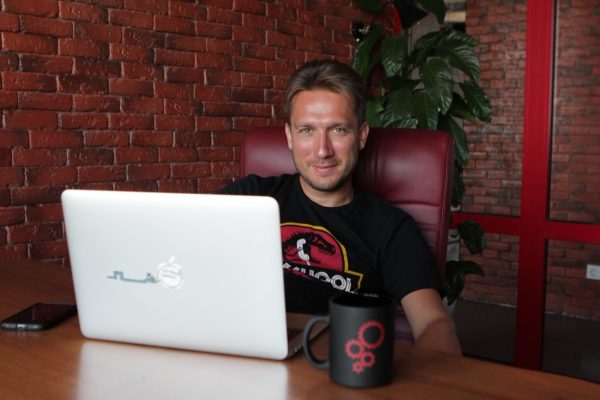
When asked about his background, Klyagin shared:
I started Redwerk in 2005 as a software engineer, not as a founder chasing growth at any cost.
I built software myself, managed projects, and spoke directly with clients. That hands-on start shaped how I still run the company today.
For 20 years, I’ve focused on building reliable digital products and long-term client relationships, without outside funding.
That discipline still defines Redwerk and sister-brand QAwerk today.
How Redwerk Started
When asked how the idea for the company came together, Klyagin explained:
I started working with outsourcing companies when I was 17.
Over several years, I moved between firms and paid close attention to what worked and what didn’t, how teams were treated, how clients were managed, and how quality was handled in practice.
As a programmer myself, I wanted to create an environment where engineers could do their work and create strong outcomes without constant friction, and where clients actually enjoyed collaborating with the team.
My first client approached me in 2004, and I saw a chance to build that model from scratch.
I immediately assembled a small team, with a core focus on responsible design, transparency, and delivery from day one.
As we grew, these core pillars naturally became the foundation as we expanded into full lifecycle development.
QAwerk later became a standalone company because testing and quality required dedicated focus, processes, and accountability, not something bolted on at the end.
Favorite Memories
When asked about his favorite memories working for Redwerk, Klyagin said:
The ones I value most are when we pause and celebrate wins together.
We work hard, and it matters to acknowledge progress and recognize solid work while it’s happening.
We don’t operate with a traditional management structure. We have a flat organization with no classic managers.
That only works if there is trust, ownership, and people who are willing to take responsibility.
When it works, the results are visible.
That spirit is best reflected in our annual seaside retreats.
These are not just company trips. We organize them after major client launches or important milestones.
The location is a bonus, but the real purpose is to recognize the effort and grit behind each project and celebrate as one team.
Those moments matter to me because they reflect the culture we’ve built.
People feel accountable. They care about outcomes. They know their work is noticed.
That’s what makes the long journey worth it.
Core Products And Services
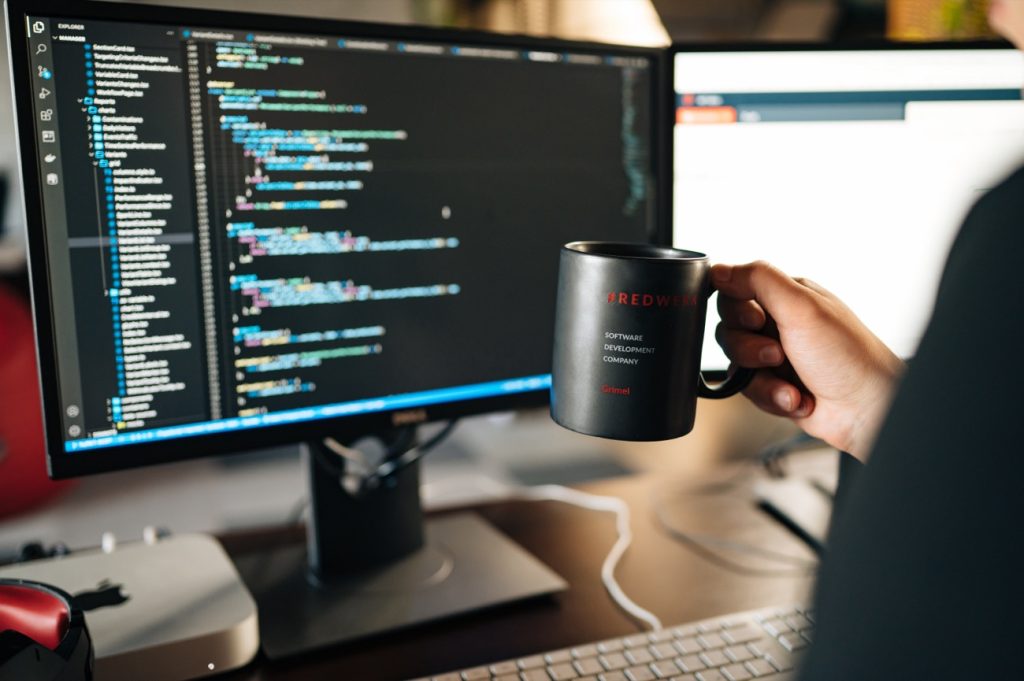
When asked about Redwerk’s core products and services, Klyagin explained:
Redwerk builds custom software products across web, mobile, and SaaS.
Our work spans discovery, architecture, development, modernization, long-term maintenance, as well as code review and software audits.
We often step in not just to build new products, but to assess existing systems, identify risks, and advise teams on how to improve quality, scalability, and readiness for growth or acquisition.
QAwerk provides manual and automated testing, including security, performance, accessibility, and AI-focused QA.
Together, Redwerk and QAwerk cover the full software development lifecycle and act as a quality partner, not just a delivery team.
Managing Expectations Around AI
When asked about challenges in the software development sector, Klyagin highlighted expectations surrounding AI:
The biggest challenge today is unrealistic expectations driven by AI hype.
Many teams believe speed alone is enough.
We address this by being direct.
We explain trade-offs, clean up AI-generated prototypes, and turn them into maintainable products.
That clarity helps clients avoid costly rewrites later.
How Redwerk’s Technology And Processes Have Evolved
When asked how the company’s technology has evolved since launching, Klyagin explained:
We moved from classic web development into complex platforms, govtech systems, healthcare products, and now AI-enabled software.
The core change is not tools, but process.
Better discovery, stronger QA integration, and clearer communication with non-technical founders.
Technology followed that foundation.
Key Company Milestones
When asked about Redwerk’s most significant milestones, Klyagin highlighted:
One of our first major milestones was building a workflow automation system for Merrimac, now Crane A&E.
They manufactured critical components for NASA rovers.
For a young team, working on something connected to space hardware set a high standard for quality and responsibility.
Over 20 years, we’ve grown organically from five people to more than 90.
No outside funding, no sudden jumps.
Just steady hiring, careful financial discipline, and long-term client relationships.
Another important moment was our work on YouTown.
The app eventually served more than 500 million people and was recognized by the White House.
That project proved we could support products operating at real scale.
Being trusted by Fortune 500 companies like Siemens, Universal Music Group, and J.B. Hunt was another signal that our processes hold up at the enterprise level.
For me, the real milestone is durability.
20 years of profitable growth, long-term partnerships, and projects that still run and scale.
That matters more than any single headline.
Spinning QAwerk into a standalone brand in 2015 was also critical.
It allowed us to scale quality as a core discipline, not an afterthought.
Customer Success Stories
When asked to share specific customer success stories, Klyagin said:
One example is our work on the platform supporting the European Parliament.
We helped upgrade and modernize the system behind the legislative voting process.
This was not a cosmetic update.
It required careful refactoring, security improvements, and ensuring long-term stability for a mission-critical public system.
Klyagin also highlighted AWE Learning:
Another strong case is AWE Learning.
We migrated their on-premise edtech solution to the cloud and transformed it into a scalable SaaS platform.
Today, their software is used in about 50 percent of U.S. public libraries.
That kind of reach only works when the architecture is built to scale.
In each of these cases, the value was not speed alone.
It was stability, scalability, and long-term ownership.
That’s what turns a delivered project into a lasting partnership.
Funding And Profitability
When asked about funding and revenue, Klyagin explained:
We are 100% bootstrapped and profitable.
We do not disclose revenue figures publicly.
Profitability and cash reserves matter more to us than top-line growth.
That independence lets us make long-term decisions.
Total Addressable Market
When asked about Redwerk’s market opportunity, Klyagin said:
We operate within the global custom software and QA services market, which exceeds $300 billion annually.
Our focus is not the entire market, but mid-market and enterprise clients who need long-term engineering partners in SaaS, govtech, healthcare, and AI-driven products.
Competitive Differentiation
When asked what differentiates Redwerk from its competition, Klyagin explained:
We are not a vendor that sells developer hours.
We position ourselves as a long-term technology partner.
That means we take ownership of the entire outcome, not just individual tasks.
If something is unrealistic, we say it.
If a timeline doesn’t make sense, we explain why.
That level of radical transparency builds trust and prevents unpleasant surprises later.
Another key difference is that we provide a true full-service solution.
We cover the entire software development lifecycle, from discovery and architecture to development, QA, maintenance, code review, and full-scale software audits.
Clients get one accountable team with clear processes and visible delivery.
This model leads to long-term partnerships.
Many of our clients stay with us five to ten years because we help them scale, modernize, and manage risk as their business evolves.
The results speak for themselves.
Our work on YouTown, which reached more than 500 million users, was recognized by the White House.
We are also two-time consecutive IAOP award winners for delivery excellence.
Those are strong signals that our processes and standards hold up at scale.
Clients work with stable, long-term teams, clear onboarding, and integrated QA from the start.
Many partnerships last five to ten years because we help clients grow and manage risk as their business changes, not because we jump in, deliver code, and disappear.
Future Goals
When asked about Redwerk’s future goals, Klyagin said:
We plan to deepen our AI and automation work while keeping our core engineering standards intact.
The goal is not rapid expansion, but sharper specialization, stronger thought leadership, and continued focus on quality-first delivery.
Resetting Expectations In Software Development
When invited to discuss another topic, Klyagin concluded:
I care about resetting expectations in software development.
Speed without ownership creates fragile products.
If more teams focused on discovery, testing, and long-term maintainability, fewer products would fail after launch.
That conversation matters right now.
