Safe To Eat is a youth-led initiative that advocates for and helps implement allergen-safe food options, labeling, and emergency protocols (like epinephrine awareness) in domestic violence and homeless shelters, especially in crisis settings. Pulse 2.0 interviewed Safe To Eat founder Devin August Sailer to learn more.
Devin August Sailer’s Background
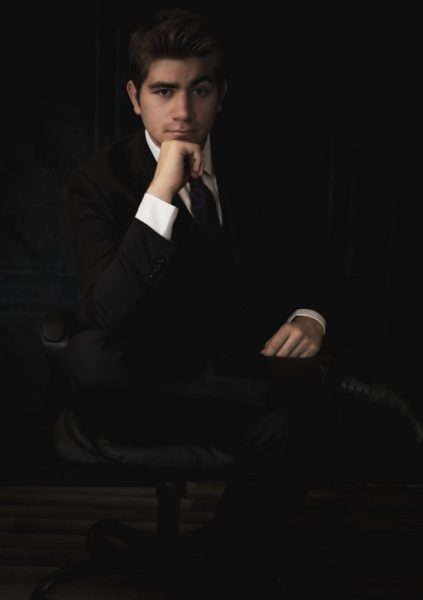
Photographer credit Kristi Lynn Photography

Could you tell me more about your background? Sailer said:
“I was born with 31 life threatening anaphylactic allergies and grew up in rural Upstate New York, raised by a single mother. Access to safe food and specialized medical care was never guaranteed where we lived. Something as simple as grocery shopping or eating outside the home could be dangerous. Growing up with both medical vulnerability and financial limits shaped how I see the world and taught me early on that survival often depends on community support.”
Formation Of The Nonprofit
How did the idea for the non-profit come together? Sailer shared:
“The idea for Safe to Eat came directly from my own lived experience. In rural areas, even basic allergy safe foods are hard to find. If it was difficult for my family, I kept thinking about people in shelters who have even fewer options and even less notice before they need help.”
“I realized that families fleeing domestic violence or homelessness don’t get to plan for food allergies. So I decided we would. Once my family was more stable, I wanted to make sure no one else had to choose between safety and eating.”

Favorite Memory
What has been your favorite memory working for the non profit so far? Sailer reflected:
“Completing our very first delivery will always stay with me.”
“After months of phone calls, paperwork, and figuring everything out from scratch, actually walking food into that shelter and knowing someone could safely eat because of us was unforgettable. It turned an idea into something real. That moment made all the work worth it.”
Significant Milestones
What have been some of your non profit’s most significant milestones? Sailer cited:
“Our first milestone was simply launching. So many good ideas never move past the planning stage, so turning ours into a functioning organization was huge.”
“Another major milestone was scaling our deliveries. Once we started moving hundreds of pounds of allergen safe food at a time, we weren’t just helping a few families. We were meaningfully reducing the burden on entire shelters.”
Success Stories
Would you like to share any specific success stories? Sailer highlighted:
“One thing I’m proud of is how quickly we built momentum. Within just a few months, we had partnerships, donors, and large scale deliveries happening.”
“Our strength is speed and flexibility. When a shelter calls, we don’t make them wait weeks. We respond quickly because emergencies don’t follow schedules.”
Notable Metrics
Can you discuss any notable metrics? Sailer revealed:
“We have delivered hundreds of pounds of allergen safe food to multiple shelters across Upstate New York.”
“What I’m especially proud of is the size of the area we serve. Our coverage region is larger than the country of Jamaica. That includes both rural communities like the one I grew up in and more urban areas downstate. Reaching both extremes is something many programs struggle to do.”
Differentiation From Other Nonprofits
What differentiates your non-profit from others? Sailer affirmed:
“First, we are youth led. I started this at 17. That gives us a different perspective and urgency. Many shelter residents are children and teens themselves, so being close to their age helps me understand their needs in a personal way.”
“Second, I’m part of the population we serve. I live with severe allergies every day. I’m not solving a problem from the outside. I’m solving one I’ve experienced firsthand. That lived experience helps us design solutions that actually work.”
Challenges Faced
What are some of the challenges you faced and how did you overcome them? Sailer acknowledged:
“The biggest challenge has been bureaucracy. Starting a nonprofit means navigating a lot of legal paperwork, regulations, and systems that often favor large, well funded teams.”
“As a small, youth led organization, we had to learn everything ourselves. It took persistence and patience, but we kept showing up and pushing through. Every obstacle reminded us why the work matters.”
Future Goals
What are some of your non profit’s future goals? Sailer concluded:
“Right now, most of our work is concentrated in Western and Central New York. Long term, I want to expand across all of Upstate New York, from Franklin County down to Putnam County, so no shelter is outside our reach.”
“Eventually, I hope Safe to Eat can become a model that other states replicate. Every person deserves food that is safe for them. Geography shouldn’t decide that.”

