

Splitit is a white-label card-linked installment service that enables shoppers to utilize their existing credit card credit lines for interest-free deferred payments. Pulse 2.0 interviewed Splitit CEO Nandan Sheth to learn more.
Nandan Sheth’s Background
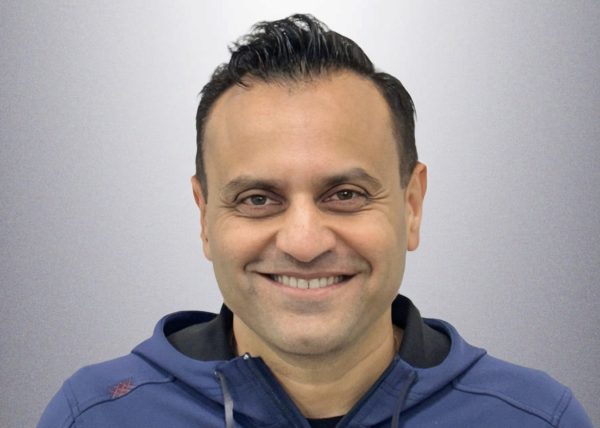
Could you tell me about your background and what led you to Splitit? Sheth said:
“I have 20 years of experience in fintech and payments, starting when it was called transaction processing. I built and scaled companies across the ecosystem, including a B2B payments platform acquired by American Express and a routing business serving Walmart, Apple, and Uber, which was later acquired by First Data.”
“At my core, I’m an operator and a builder. I’ve learned a lot through experience, and that’s shaped how I approach building companies today. What drew me to Splitit was that it wasn’t trying to disrupt the existing system. It works within it. Instead of creating new loans, it unlocks the credit that consumers already have access to. That makes it more practical for merchants and more natural for consumers.”
Primary Responsibilities
What are your primary responsibilities as CEO today? Sheth shared:
“I drive company direction, focusing on products that solve merchant needs. My work aligns our roadmap with commerce trends, expands our partner base, and scales global enterprise operations.”
“Staying close to customers is a priority. Tracking key merchant metrics like conversion, approval rates, and order value keeps our focus on driving better results for them.”
“I also think a lot about where commerce and payments are going. The market is evolving quickly, with digital wallets, embedded finance, and AI reshaping how transactions occur. Our job is to anticipate those shifts and make sure merchants have a payment model that works not just for today’s checkout, but for how commerce will operate in the future.”
Problem In Payments Being Solved
What problem in payments or checkout were you trying to solve, and why was the existing approach broken? Sheth noted:
“Too many transactions fail at purchase. Payment declines or friction from financing options hurt conversion and revenue.”
“Traditional BNPL requires new credit applications, adding steps and uncertainty. Splitit eliminates applications by using existing card credit, enabling approval rates typically above 85%, compared to 35%-40% in traditional BNPL.”
“Using existing credit means over a billion cardholders are pre-qualified, making checkout a simple payment choice, not a financing decision.”
Core Products
Screenshot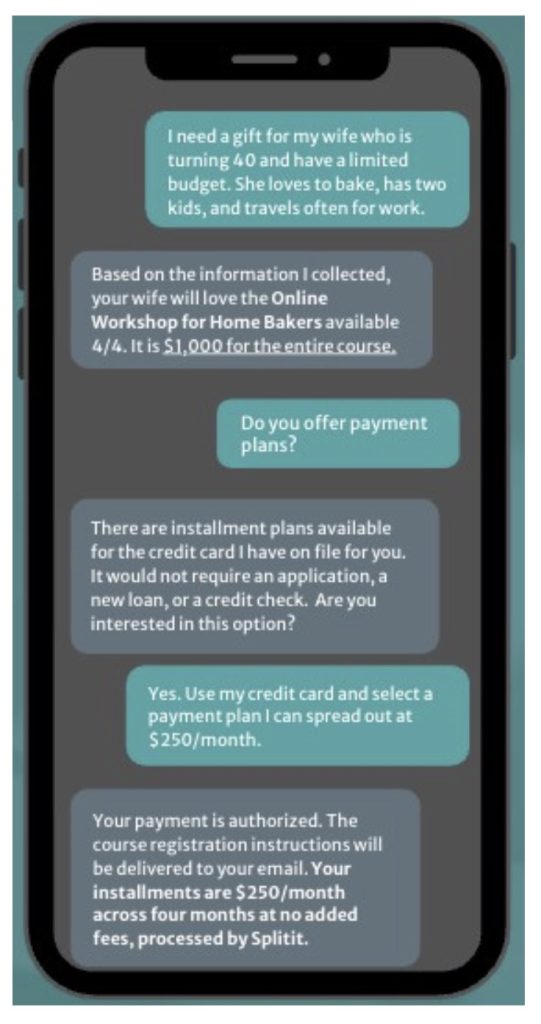
What are Splitit’s core products and how do they work? Sheth explained:
“Splitit is an Installments-as-a-Service platform allowing merchants to offer pay-over-time via a shopper’s existing credit card. The full amount is authorized upfront, then split into monthly payments. No loans, credit checks, or additional registrations are needed. Importantly, the merchant gets paid upfront, just like a standard card transaction, while the customer pays over time.”
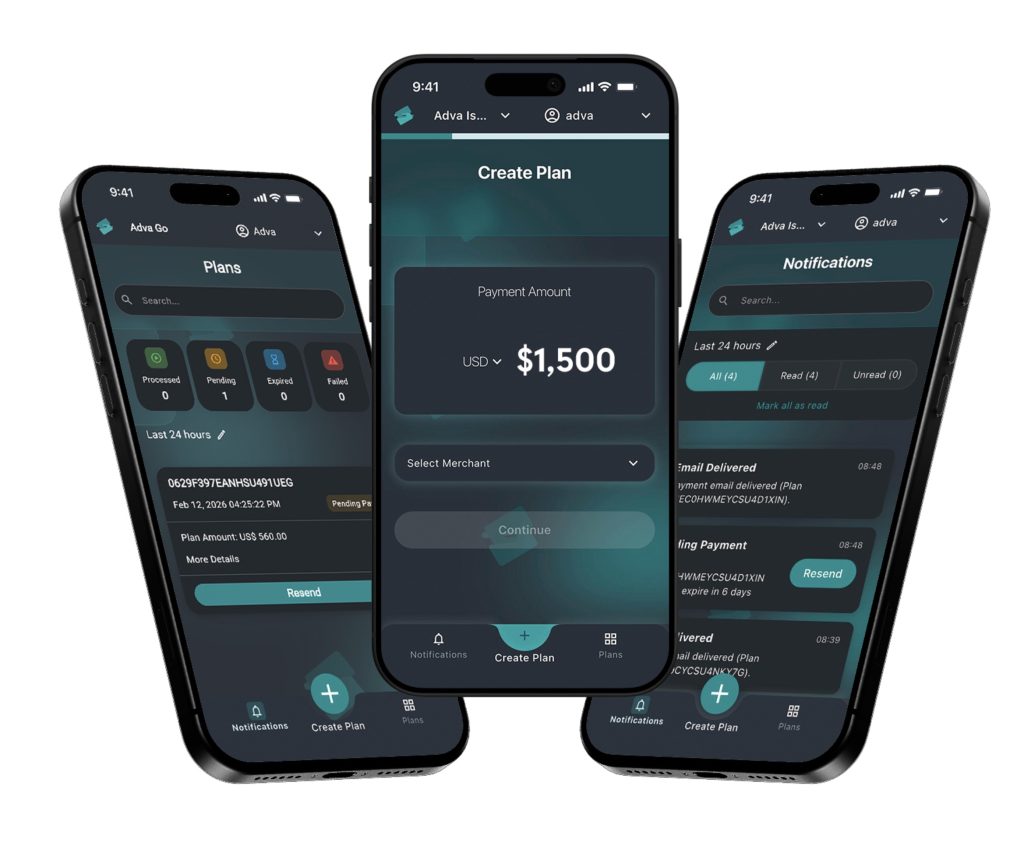
“Recently, we launched Splitit Go, an omnichannel solution that enables merchants to offer installments beyond traditional e-commerce flows, including in-store, remote, and service transactions. Installment payments are available wherever the sale occurs, without requiring merchants to change existing payment systems.”
Evolution Of The Company’s Platform
How has Splitit’s platform evolved over time? Sheth pointed out:
“We first pioneered card-linked installment payments in e-commerce. After validating the model, we expanded it to an omnichannel approach, enabling merchants to offer a unified experience online, in-store, and remotely.”
“Now our platform is an embedded payments layer that enables businesses to offer customers flexible installment plans during checkout. We integrate with wallets, payment processors, and platforms, allowing merchants to increase conversion while keeping transactions within their own ecosystem.”
Important Milestones
What have been the most important milestones for the company so far? Sheth cited:
“Our ability to deliver high approval rates at scale without new credit risk proved our model, especially for large merchants handling high-value sales.”
“Another major milestone is expanding into new channels and partnerships. Integrations with Samsung Wallet and frameworks like Google’s Universal Commerce Protocol solidify us as a commerce infrastructure, not just a checkout feature.”
“We’re also working with partners like Mastercard and Citi to bring issuer-driven installments directly into the merchant experience. We have built an orchestration layer that allows issuers to present plans to their consumers directly in the merchant checkout, driving value for both issuers and merchants.”
Working At Scale
When did you realize Splitit’s model was working at scale? Sheth described:
“Merchant expansion across regions and channels demonstrated the scalability of our model.”
“Our data confirmed it: transactions often exceed $1,000, approval rates beat benchmarks, and merchants see measurable increases in conversion. Removing the application step alone significantly boosts checkout completion.”
Examples Of Platform Being Used
Q: Can you share a few examples of how merchants are using Splitit successfully? Sheth highlighted:
“We excel in categories with higher-value purchases. For example, luxury marketplace Vestiaire Collective uses Splitit to make premium inventory accessible while keeping a consistent brand experience.”
“In retail, Emma Sleep uses installments to support higher-value purchases, and fashionette saw 18% lower return rates on Splitit transactions, suggesting more deliberate buying behavior.”
“Adoption is also strong in healthcare and home services, where providing installments at the point of service often influences the customer’s decision to move forward.”
Key Business Metrics
What key business metrics can you share to illustrate the company’s growth and performance? Sheth observed:
“Approval rate is key. By leveraging existing credit, merchants typically achieve approval rates over 85%, directly boosting completed purchases.”
“We also track conversion and average order value. Merchants report a 12% increase in sales and an 11% drop in cart abandonment after introducing Splitit. Some see repeat purchase rates as high as 25%, reflecting strong customer retention within the merchant’s ecosystem.”
Total Addressable Market (TAM)
How do you think about the total addressable market for Splitit? Sheth assessed:
“We see it two ways. First, 1.2 billion credit cardholders worldwide can already use installment plans without new debt. That is a sizable opportunity.”
“Second, commerce itself is expanding across channels. As transactions move to mobile, in-store, and services, flexible payments are increasingly needed. Our opportunity expands with these shifts.”
Differentiation From Other Providers
What fundamentally differentiates Splitit from other installment and BNPL providers? Sheth affirmed:
“We help merchants reach a different cohort of shoppers than traditional BNPL providers. Many legacy BNPL providers are built around consumers who need new credit for relatively small purchases. Splitit is often more appealing to shoppers with higher FICO scores, higher income, and existing available credit who want flexibility without applying for a new account. They can use a card they already know and trust, continue earning points, miles, or cashback, and complete the purchase in a way that feels familiar.”
“Just as important, Splitit is built to be white-label. The experience stays inside the merchant’s own checkout flow and under the merchant’s brand. We do not market to the merchant’s customers or try to turn them into our own audience, which is a growing concern with some BNPL providers. That makes Splitit complementary to the merchant’s business, not competitive with it.”
“For merchants, that means greater control over customer relationships, the data, and the overall brand experience. And because Splitit works within existing payment rails and partner ecosystems, it fits more naturally into the broader commerce infrastructure as the market continues to evolve.”
Changing How Merchants Think About Payments
What is changing in how merchants think about payments today, and what pressures are driving that shift? Sheth emphasized:
“Payments now drive merchant growth, not just costs. Approval rates, financing, and checkout design directly shape conversion and order value.”
“Rising acquisition costs intensify the push toward converting existing demand. Payments provide immediate, measurable opportunities to boost conversion.”
Future Of Payments
Where do you see payments heading over the next few years, especially with the rise of digital wallets and AI-driven commerce? Sheth concluded:
“Payments are becoming more embedded and contextual as consumers expect seamless, fast wallet transactions.”
“As AI-driven commerce evolves, payment is more than a checkout step. It shapes which products are recommended. Systems favor payment methods likely to be authorized. Payment certainty becomes a competitive edge, and our model excels here, built on established credit and reliable approvals.”
