Spyne is building an AI-native operating layer for automotive retail, designed around one core outcome: helping dealerships move inventory faster. While the company began by solving visual merchandising bottlenecks, its broader focus today is on accelerating the full retail cycle — from getting vehicles acquisition-ready and live online faster, to improving customer response times, reducing missed opportunities, and ultimately helping dealers lower holding costs. With Studio AI and Vini, Spyne is building connected systems that support faster listing, better engagement, and more efficient sales and service workflows. Pulse 2.0 interviewed Spyne co-founder and CEO Sanjay Varnwal to learn more.
Sanjay Varnwal’s Background
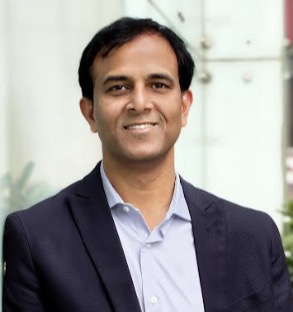

Could you tell me more about your background? Varnwal said:
“I’m an engineer who has spent 15+ years building and scaling products at companies like Amazon, OYO, Yatra, and Rocket Internet. Across categories like travel, real estate, fashion, and retail, I kept seeing the same pattern: speed and presentation had a direct impact on conversion, but the systems behind them were often slow, fragmented, and hard to scale.
That insight became the foundation for Spyne. In automotive retail, the challenge was even more visible. Dealers were losing time and money at multiple stages — preparing vehicles, creating listings, responding to leads, and moving inventory through the funnel. We saw an opportunity to build AI systems that could remove that friction and help dealers sell faster.”

Formation Of The Company
How did the idea for Spyne come together? Varnwal shared:
“The idea came from observing the everyday challenges faced by automotive dealers and marketplaces. Only a small set of large players had the infrastructure to create consistently engaging online listings. For everyone else, the process was expensive, manual, and slow. Building studio setups, hiring photographers, managing editing workflows, and getting vehicle listings live online created delays that directly affected the holding costs of the inventory, thus directly impacting their net margins.
We asked ourselves a simple question: what if AI could remove those delays?
That is how Spyne came to life. We started by helping dealerships create studio-quality visuals, 360° spins, and video content at scale, without needing a professional studio setup. But over time, we realized the bigger problem was not just merchandising quality — it was retail velocity. If a vehicle goes live faster, it has a better chance of being discovered, engaged with, and sold faster. That became the larger operating principle behind what we are building.”
Favorite Memory
What has been your favorite memory with Spyne so far? Varnwal reflected:
“There have been many defining moments since launch, from getting our first customer in the same month as our Product Hunt debut to seeing strong dealer sign-ups after remote demos. But one of the most meaningful moments for me was around the early rollout of Vini.
We wanted to be thoughtful about how we built the conversational layer, so we first tested it with a select group of dealerships before scaling it. Seeing a dealer like Brian Benstock from Paragon Honda engage with us and help shape real use cases for Vini was a big moment. It reinforced that dealerships were not just looking for another AI tool — they were looking for systems that could help them respond faster, stay on top of demand, and convert more of the traffic they were already getting.”
Core Products

What are Spyne’s core products and features as of today? Varnwal explained:
“Our mission is to help car dealers source, list, market, and sell vehicles faster than ever.
Our product portfolio includes:
Studio AI: This helps dealerships create high-quality visuals, 360° spins, and video content quickly, so vehicles can be merchandised and listed faster without depending on traditional studio-heavy workflows.
Vini AI: This is our conversational AI agent for dealerships. It handles customer queries, follows up instantly, schedules appointments and test drives, captures leads 24×7, and sits directly on top of the dealer’s VDP and communication workflows. That means customer intent can be acted on immediately, instead of being lost to delays or missed responses.
Together, these products are built around one goal: helping dealers reduce time-to-live, improve engagement, and move vehicles faster. We are not building disconnected tools. We are building an AI operating system for modern automotive retail.”
Challenges Faced
Have you faced any challenges in your sector of work recently? Varnwal acknowledged:
“Of course. Any real transformation comes with adoption challenges, especially in a traditional industry. One of the biggest hurdles has been helping dealerships see AI not as a replacement for people, but as a way to remove the operational drag that slows down sales.
A dealer does not benefit from speed in just one part of the workflow. They benefit when the whole chain moves faster — getting cars ready, getting them online, responding to buyers, booking appointments, and keeping momentum through the sale and service journey. Once dealers see that AI can reduce turnaround times, improve responsiveness, and lower the cost of inventory sitting unsold, the value becomes much more tangible.”
Evolution Of The Company’s Technology
How has the company’s technology evolved since launching? Varnwal noted:
“Spyne started as an AI photo-enhancement technology focused on background removal and replacement. But we quickly saw that dealerships did not just need better visuals — they needed a more efficient retail engine.
Today, our technology has evolved into an end-to-end AI platform for dealerships. Studio AI helps them get vehicles live faster with high-quality merchandising, while Vini helps them engage buyers in real time across touchpoints, including during off-hours when many leads otherwise go cold. So we have moved from solving one operational bottleneck to building systems that support faster acquisition-to-sale cycles across the dealership.”
Significant Milestones
What have been some of the company’s most significant milestones? Varnwal cited:
“A few milestones stand out for us:
- Working with 3,600+ automotive brands and marketplaces worldwide.
- Expanding across 70+ countries.
- Launching Vini, which extended our role from merchandising into real-time conversational engagement.
- Growing 5X in 15 months and raising $16 million in Series A funding led by Vertex Ventures, with participation from Accel, Storm Ventures, and Alteria Capital.
But beyond company milestones, what matters most is that we are expanding from a visual-first product into a platform that helps dealerships operate with more speed and consistency. That shift is central to where Spyne is headed.”
Customer Success Stories

Can you share any specific customer success stories? Varnwal highlighted:
“A strong example is Royal Family Motors, a used-car dealership in Ohio, which used Spyne to streamline vehicle merchandising. They transformed over 2,500 raw images into studio-quality visuals within hours, cutting turnaround time dramatically.
For us, the deeper takeaway is not just faster image processing. It is what that speed enables. When vehicles are ready and listed faster, dealers can start generating demand sooner, shorten dead time in the retail cycle, and improve the economics of holding inventory. That is the larger business outcome we are focused on.”
Funding/Revenue
Are you able to discuss funding and/or revenue metrics? Varnwal revealed:
“Spyne raised $16 million in Series A funding in February 2025. The round was led by Vertex Ventures, with Accel, Storm Ventures, and Alteria Capital participating. The funding is supporting our U.S. expansion, dealer growth, and the continued development of our AI platform.
While we do not publicly disclose revenue figures, our growth has been strong, supported by retention, expansion, and the increasing demand for dealership technology that can drive measurable operating outcomes.”
Total Addressable Market
What total addressable market (TAM) size is the company pursuing? Varnwal assessed:
“The U.S. automotive software market is a large and proven market, with significant room for innovation. Every vehicle listed online needs to be merchandised well, but just as importantly, every buyer interaction needs to be captured and converted quickly.
That is where we see the opportunity. Dealers are no longer evaluating AI only as a back-office efficiency layer. They are increasingly looking at AI as a revenue and retail-velocity layer — something that can help them get inventory live faster, engage buyers faster, and reduce the time vehicles spend sitting on the lot. That is the shift Spyne is aligned with.”
Differentiation From The Competition
What differentiates the company from its competition? Varnwal affirmed:
“The biggest difference is that we are not solving for one isolated task. Spyne is built around helping dealers sell cars faster.
A lot of the market still treats merchandising, lead handling, and follow-up as separate layers. But from a dealer’s perspective, they are all part of the same operating cycle. A car gets acquired, gets prepared, gets listed, attracts interest, gets responded to, gets sold, and the cycle repeats. If there is friction anywhere in that chain, holding costs go up and revenue slows down.
That is why Spyne connects the operational pieces. Studio AI helps reduce time-to-live by accelerating merchandising and listing. Vini sits on top of the dealer’s VDP and communication channels, so customer intent is engaged immediately rather than waiting for a call back or business-hour response. Over time, this creates a tighter loop: cars go live faster, buyer conversations happen faster, sales happen faster, and dealers can turn inventory faster.
The second differentiator is that our AI is built around dealership workflows and ROI. We build AI agents that learn from CRM, DMS, VoIP, sales, and service workflows, so they are not generic assistants. They are designed to drive outcomes such as faster response times, more booked appointments, fewer missed opportunities, and better inventory movement.”
Future Company Goals
What are some of the company’s future goals? Varnwal emphasized:
“We want to make AI-first retail the norm for automotive sales. In the near term, that means continuing to expand Vini’s capabilities and making Studio AI even more powerful. But strategically, our goal is broader: to help dealerships run a faster, more connected retail cycle from acquisition and merchandising to sales, service, and customer engagement.
We believe the future dealership will operate with far less fragmentation. The winning systems will be the ones that help dealers reduce delays, move inventory efficiently, and create a better customer journey at the same time.”
Additional Thoughts
Any other topics you would like to discuss? Varnwal concluded:
“We are still early in this journey. The next decade of automotive retail will be shaped by speed, responsiveness, and how well technology helps dealers act on demand in real time.
At Spyne, we are focused on building for that reality. The end goal is simple: help dealerships get cars live faster, engage buyers faster, sell faster, and create a cycle that keeps improving with every transaction.”

