The Idea Village is a New Orleans-based nonprofit that builds and supports a thriving startup ecosystem by providing accelerator programs, mentorship, and resources to help founders launch and scale innovative businesses, fostering economic growth in the region. Pulse 2.0 interviewed The Idea Village CEO Jon Atkinson to learn more.
Jon Atkinson’s Background
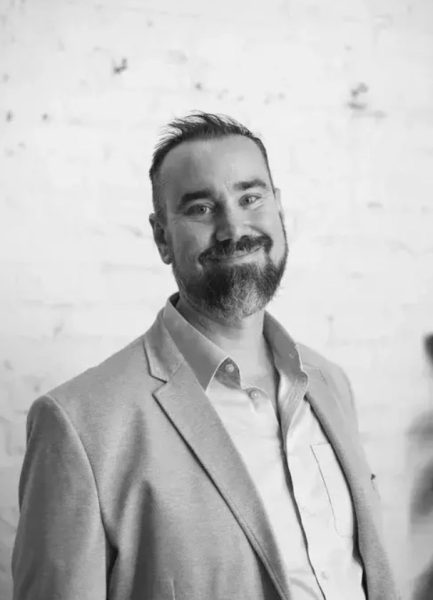

Could you tell me more about your background? Atkinson said:
“I’ve spent most of my career thinking about how to build entrepreneurial ecosystems from different perspectives, whether that’s talent development, startup support, or small business growth. What I’ve learned is that each of these areas operates with its own set of incentives, and if you don’t recognize that, you end up misaligning expectations.”
“I’ve also gravitated toward higher-margin, innovation-driven businesses because I believe they have the greatest potential to transform communities. A business that’s thinking beyond making payroll on Friday has the bandwidth to care more deeply about people, reinvest in their neighborhoods, and help develop the ecosystem around them. That’s the kind of multiplier effect that really excites me.”
Job At The Company
What are your primary responsibilities as the CEO of The Idea Village? Atkinson shared:
“At a basic level, it’s about keeping the lights on and making sure we have the right people in place to do the work. But more importantly, my job is to stay focused on the bigger picture — how all the pieces of the system fit together — and to remove roadblocks so founders, partners, and my team can move faster.”
Favorite Memory
What has been your favorite memory working for the organization so far? Atkinson reflected:
“One that stands out is receiving a call from the first company I worked with directly, which had successfully navigated its way to an exit. For me, that moment crystallized why this work is so important. Exits aren’t just wins for the founders and investors because they feed back into the community, creating role models, new investors, and the momentum that accelerates the whole flywheel of startup activity.”
Company Mission
What is The Idea Village’s mission and what services does it offer? Atkinson explained:
“Our mission is simple: to identify, support, and retain entrepreneurial talent in New Orleans and the Gulf South. We do that through accelerator programs, founder support, and by creating the connective tissue between entrepreneurs, capital, customers, and talent.”
“Accelerators are powerful because they compress time — they give founders a chance to test, refine, and scale their ideas more quickly. But the real value is how these programs plug into a broader system. We’re helping build a pipeline that takes companies from “back of the napkin” all the way to raising outside capital and scaling nationally.”
Challenges Faced
Have you faced any challenges in the startup ecosystem recently? Atkinson acknowledged:
“One of the big challenges is perception. There’s a narrative that accelerators are in decline, but when you look at the data, they’re incredibly successful in terms of mission: startups that go through these types of programs are significantly more likely to succeed.”
“The real challenge isn’t impact, it’s economics. These programs are expensive to run, and the traditional models of funding, whether through fees, equity, or philanthropy, don’t always cover the full cost. Founders shouldn’t be the ones carrying that burden alone. The truth is, building a startup community is a long game. It takes decades. So we need broader buy-in from institutions and stakeholders who see this as an investment in regional competitiveness, not just a nice-to-have.”
Evolution Of The Nonprofit
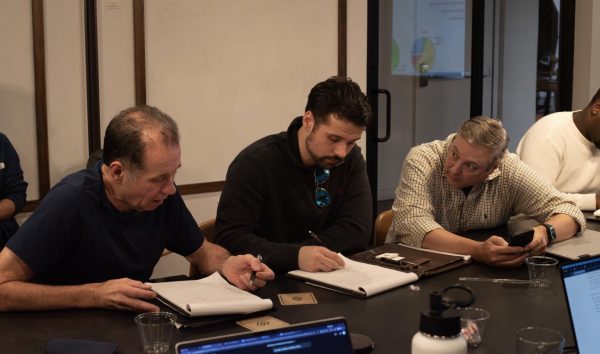

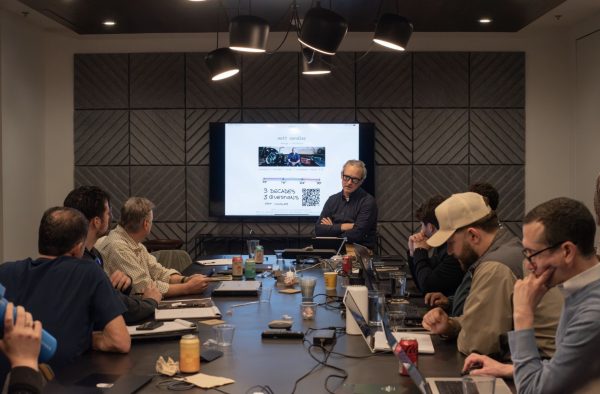

How has The Idea Village evolved since launching? Atkinson noted:
“In the early days, it was about getting people to believe that innovation could even happen here — to embrace new ideas and new ways of doing business. Today, the conversation has shifted. We’re much more focused on how to take founders from zero to one, and on building a repeatable pipeline of companies that can scale.”
“The ecosystem has matured, too. Instead of isolated wins, we’re seeing more of a system take shape, where founders, investors, universities, and corporations are all playing different but complementary roles. It’s a practice in momentum building, which we are on the right path to achieve.”
Significant Milestones
What have been some of The Idea Village’s most significant milestones? Atkinson cited:
“Over the past two decades, we’ve seen some truly transformative outcomes. Billion-dollar exits like Lucid and Levelset have proven that globally competitive, industry-leading companies can be built right here. We’ve also built nationally recognized programs, cultivated a network of local investors, and helped position New Orleans as a hub for innovation in the Gulf South.”
“But I’d argue the bigger milestone is less visible: it’s the cultural shift. Today, entrepreneurship is seen as a viable career path in New Orleans. That wasn’t always the case when this work began.”
Success Stories
Can you share any specific success stories from startups or founders that have gone through The Idea Village programs? Atkinson highlighted:
“There are plenty of examples, but one of the early classics is Lucid, a market research technology company that went on to become a billion-dollar exit. That was proof that a founder could scale globally from New Orleans.”
“More recently, we’ve seen companies like Glass Half Full, which recycles glass into sand for coastal restoration, and Hello Gravel, a startup revolutionizing the bulk-aggregate ordering process, come through our programs and gain real traction. Every success story shows the breadth of what’s possible when you build a supportive ecosystem.”
Funding/Revenue
Are you able to discuss funding and/or revenue metrics? Atkinson revealed:
“Our operating budget is just under $2 million a year. Because we’re an independent nonprofit, we have to raise that from scratch annually. That’s both a challenge and a strength — it keeps us accountable to the community and ensures we’re delivering value year after year.”
“We’re fortunate to have support from individual stakeholders, private philanthropy, corporate partners, the state, and federal agencies. They invest in us because they recognize that diversifying the economy, supporting innovation, and equipping entrepreneurs is core to building vibrant communities.”
Differentiation
What differentiates The Idea Village from other accelerators? Atkinson affirmed:
“First, our history. We were founded from the bottom up, out of a love of place. That community-driven origin makes us unique among accelerators. Our deep local networks in the Gulf South create an authentic environment where founders feel they belong.”
“Second, we’re committed to supporting founders from day zero – from the napkin sketch all the way to raising significant outside capital. That ‘0 to 1’ pipeline work is rare.”
“And finally, we’re experimenting with a new post-accelerator investment model. Not every founder receives investment, but those who do benefit from larger, more founder-friendly terms. By working so closely with these companies beforehand, we’re able to make better early-stage investments on behalf of our LPs. It’s about creating a sustainable model that aligns the success of our program with the success of our founders.”
“At the end of the day, though, what matters is the humans doing the work. Our network, our mentors, and our community are the ‘village’ that really makes the difference.”
Future Goals
What are some of The Idea Village’s future goals? Atkinson emphasized:
“Our current ‘north star’ is: build a venture ecosystem that creates 10 or more startups per year that each go on to raise $1 million or more in outside funding.”
“It’s ambitious, but it’s also achievable if we keep aligning the right resources and if we continue to lean into the scrappy, capital-efficient mindset that defines founders in the Gulf South.”
Additional Thoughts
Any other topics you would like to discuss? Atkinson concluded:
“I think a lot about the theory behind successful venture ecosystems. The South is an incredibly interesting and underappreciated place for investment because founders here are inherently more capital efficient, which is an advantage in today’s market. Additionally, we’re focused on solving hard problems that often aren’t yet prioritized through a national lens. Our founders have had to do more with less, and that builds resilience and grit.”
“For investors, that means the companies that emerge here are often stronger, leaner, and more durable. It’s a rich environment to place capital. The challenge (and the opportunity) is building the connective tissue so more investors can plug into this ecosystem and see what we already know: innovation here isn’t the exception. It’s becoming the rule.”

